
Related News
- 00
0000-00
How to size heavy-duty loaders for North American mining operations - 00
0000-00
How altitude affects mining excavator performance in Latin America - 00
0000-00
Caterpillar Launches New Cat 6060 and Upgraded Autonomous Mining System - 00
0000-00
When does eco-friendly construction equipment pay for itself? - 00
0000-00
Will a wheel loader quick coupler fit your existing attachments?
Industrial machinery trends are redefining how enterprise leaders plan fleet upgrades, balancing productivity, emissions compliance, automation, and lifecycle cost. For operations tied to excavators, loaders, graders, bulldozers, and skid steers, these shifts now shape competitiveness, uptime, and capital efficiency across the broader industrial landscape.
At the center of this transition, Global Earth-Mover Dynamics tracks how machine intelligence, hydraulic performance, and decarbonization goals are changing fleet decisions. The most effective upgrade strategies no longer focus on horsepower alone. They connect utilization, digital control, operator support, serviceability, and residual value into one disciplined investment framework.
Why a Checklist Matters for Industrial Machinery Trends
Fleet upgrades often fail when decisions are made model by model instead of system by system. Industrial machinery trends now move too quickly for intuition-based replacement planning.
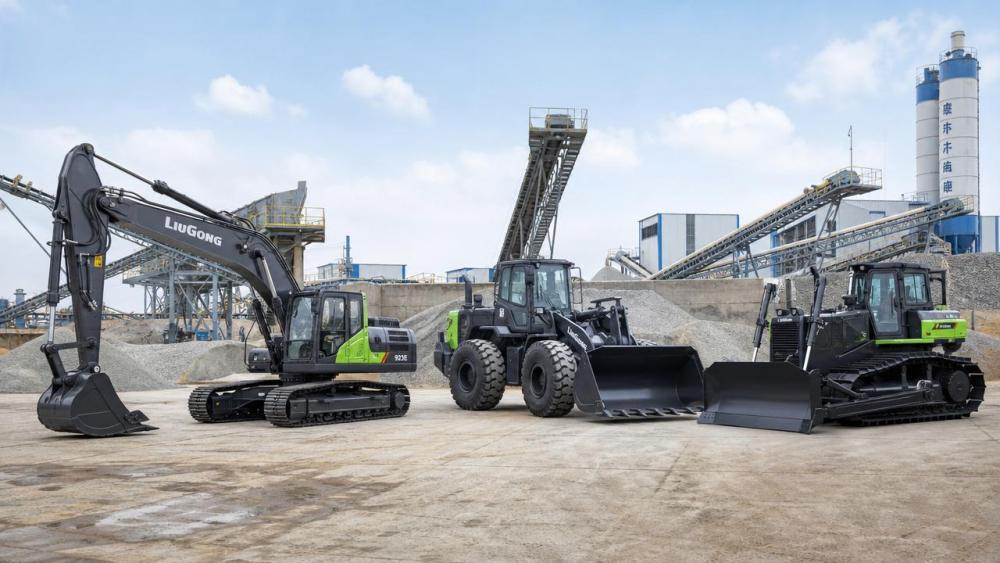
A checklist approach reduces blind spots. It helps compare conventional and electrified assets, evaluate automation readiness, and align machine specifications with real production targets.
This is especially important in mixed fleets, where crawler excavators, wheel loaders, graders, bulldozers, and skid steer loaders each face different duty cycles, attachments, terrain variables, and regulatory pressures.
Core Fleet Upgrade Checklist Shaped by Industrial Machinery Trends
- Audit utilization first. Measure idle time, load factor, fuel burn, and attachment hours before comparing replacement candidates or expanding fleet count.
- Match machine class to task density. Right-size excavators, loaders, and dozers around real material movement, not occasional peak-demand scenarios.
- Prioritize emissions compliance early. Review Tier and regional non-road standards to avoid stranded assets, retrofit costs, and restricted site access.
- Evaluate electro-hydraulic control quality. Faster response, smoother metering, and better implement precision improve cycle times and reduce operator fatigue.
- Compare total energy pathways. Examine diesel, hybrid, and electric options through charging access, grid reliability, and shift scheduling constraints.
- Check automation compatibility. Confirm readiness for grade control, payload monitoring, telematics integration, remote diagnostics, and future autonomy modules.
- Scrutinize hydraulic attachment support. Verify auxiliary flow, pressure stability, and coupler compatibility for breakers, compactors, brooms, and specialty tools.
- Model maintenance intervals carefully. Compare filter access, component placement, remote service alerts, and mean time to repair under site conditions.
- Test under real ground conditions. Soft soil, abrasive rock, steep haul paths, and wet environments can overturn paper-based machine comparisons.
- Verify digital data quality. Poor sensor calibration or fragmented telematics can distort fuel, payload, and idle metrics used in upgrade decisions.
- Protect resale value. Favor platforms with broad parts support, proven reliability, and strong secondary market demand across regions.
- Stage implementation. Replace the highest-cost, lowest-availability units first, then scale upgrades after validating productivity gains and support performance.
How Industrial Machinery Trends Affect Different Applications
Earthmoving and Mass Excavation
In high-volume excavation, industrial machinery trends favor smarter hydraulic coordination and payload visibility. Crawler excavators now gain value from machine guidance, bucket weighing, and remote health monitoring.
Wheel loaders supporting quarry, port, or stockyard work benefit from transmission efficiency and cycle consistency. Fuel savings become meaningful only when linked to loading pattern optimization and reduced queuing.
Roadbuilding and Precision Grading
For graders, the biggest industrial machinery trends involve 3D grade control, GNSS integration, and laser-assisted accuracy. Precision reduces rework, material overuse, and schedule slippage on demanding surface specifications.
Bulldozers are also becoming more software-driven. Blade control, traction management, and slope automation increasingly matter as much as raw drawbar pull.
Urban Infrastructure and Tight Workspaces
Skid steer loaders and compact machines sit at the center of urban fleet renewal. The leading industrial machinery trends here include zero-radius maneuverability, low-noise operation, and versatile attachment ecosystems.
Electric and hybrid compact units deserve attention where indoor work, municipal restrictions, or nighttime construction windows limit diesel usage and noise exposure.
Hazardous Sites and Remote Operations
Mining edges, unstable slopes, and contaminated zones are accelerating interest in teleoperation. In these environments, industrial machinery trends increasingly reward low-latency communications and camera-based situational awareness.
Autonomy should not be treated as a marketing checkbox. It must be assessed against network resilience, fail-safe logic, and the real complexity of the task environment.
Commonly Overlooked Risks in Fleet Modernization
Ignoring Site Energy Infrastructure
Electrification plans often stall because charging capacity, mobile power solutions, and shift timing were never mapped. Industrial machinery trends support cleaner fleets, but infrastructure still decides feasibility.
Overbuying Features That Stay Unused
Advanced control packages can be valuable, yet not every site can capture the return. Pay for technology that directly improves production, safety, or maintenance execution.
Underestimating Data Integration Work
Telematics dashboards alone do not create insight. Data from mixed brands, attachments, and service systems must be normalized before industrial machinery trends can inform action.
Neglecting Attachment Strategy
A machine may look efficient on paper, yet become constrained by weak auxiliary hydraulics or poor coupler availability. Fleet productivity often depends on the attachment layer.
Focusing Only on Purchase Price
Short-term savings can create long-term penalties through lower uptime, slower cycles, weaker parts support, or poor residual value. Lifecycle economics remain central to industrial machinery trends.
Practical Execution Steps
- Build a baseline using twelve months of utilization, downtime, maintenance cost, and fuel or energy data by machine category.
- Rank upgrade candidates by cost per productive hour, not age alone, then isolate units with recurring reliability or compliance issues.
- Run side-by-side field trials with matched operators, matched materials, and clear measurement rules for cycle time and consumption.
- Confirm dealer support, parts lead times, software update practices, and remote diagnostic capability before approving any platform transition.
- Adopt phased deployment so lessons from one machine class improve the next upgrade wave across the fleet.
Conclusion and Next Action
Industrial machinery trends are not just changing equipment specifications. They are changing how fleets should be evaluated, financed, deployed, and supported over time.
The strongest upgrade plans combine emissions readiness, hydraulic performance, digital intelligence, and task-specific fit. They also recognize that excavators, loaders, graders, bulldozers, and skid steers create value differently.
Use this checklist to review current assets, identify the most urgent replacement gaps, and test where industrial machinery trends can deliver measurable gains first. A disciplined, data-backed upgrade path will outperform reactive fleet turnover in almost every market condition.