
Related News
- 00
0000-00
How to size heavy-duty loaders for North American mining operations - 00
0000-00
How altitude affects mining excavator performance in Latin America - 00
0000-00
Caterpillar Launches New Cat 6060 and Upgraded Autonomous Mining System - 00
0000-00
When does eco-friendly construction equipment pay for itself? - 00
0000-00
Will a wheel loader quick coupler fit your existing attachments?
For business evaluators assessing fleet ROI, the latest earthmoving technology upgrades are no longer optional—they are critical levers for cutting fuel waste, lowering total operating costs, and meeting tightening sustainability targets.
From electro-hydraulic control and intelligent load sensing to telematics-driven idle reduction, this article explores how modern machine innovations translate into measurable efficiency gains across demanding earthmoving operations.
Why earthmoving technology now sits at the center of fuel cost control
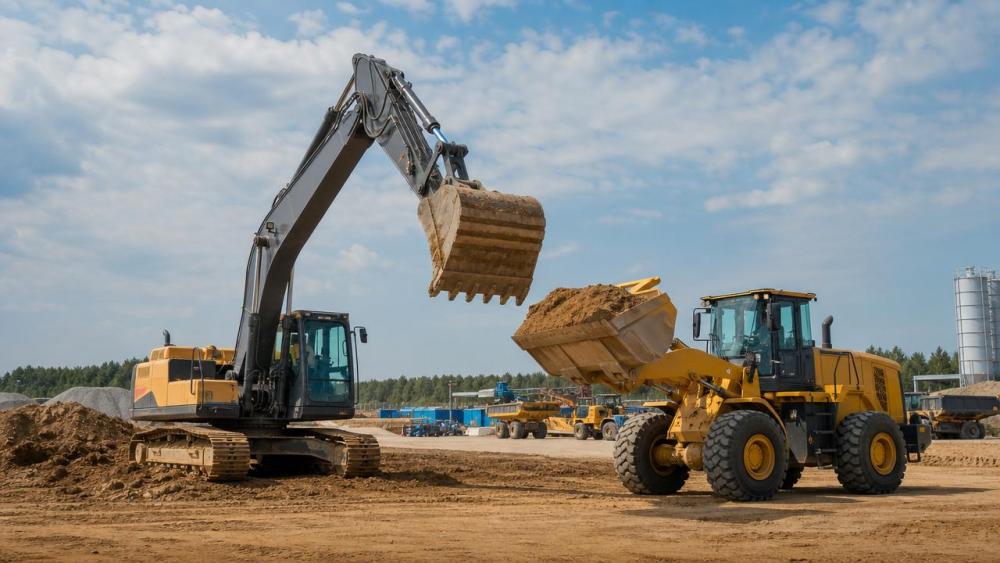
Fuel waste in heavy equipment rarely comes from a single defect. It usually results from a chain of small inefficiencies: over-idling, poor bucket fill factors, hydraulic losses, aggressive throttle habits, repeated rework, and underused machine data.
For business evaluators, this matters because fuel is only one line item. Hidden waste also affects maintenance intervals, project cycle time, emissions exposure, and bid competitiveness. That is why earthmoving technology should be assessed as a system, not as a standalone feature list.
EMD tracks this shift across crawler excavators, wheel loaders, motor graders, bulldozers, and skid steer loaders. The common pattern is clear: the most effective upgrades combine hydraulic efficiency, digital jobsite visibility, and operator guidance rather than relying on engine improvements alone.
- Machines burn less fuel when control systems reduce unnecessary hydraulic flow and engine overspeed.
- Sites waste less fuel when telematics identifies idle time, route inefficiency, and low utilization by shift or operator.
- Projects consume less total energy when grade control and payload management reduce rework and extra passes.
Which upgrades cut fuel waste fastest across core machine categories?
Not every upgrade delivers the same value in every application. The best business case depends on duty cycle, material density, haul distance, operator variability, and jobsite congestion. The table below helps evaluators compare common earthmoving technology upgrades by machine type and savings mechanism.
The key takeaway is practical: fuel-saving earthmoving technology works differently by machine role. Excavators and dozers benefit heavily from hydraulic and grade-control gains, while loaders often realize faster payback from payload discipline and reduced tire slip.
How electro-hydraulic systems and intelligent sensing improve real efficiency
Many fleets still focus on engine horsepower when reviewing machine performance. In modern earthmoving technology, however, a large share of efficiency gains comes from smarter control of hydraulic power, attachment response, and movement coordination.
Electro-hydraulic proportional control
This upgrade allows the machine to meter hydraulic flow more precisely based on load demand and operator input. Instead of running pumps at higher output than necessary, the machine can balance digging force, swing speed, and boom movement with less wasted energy.
Load sensing and adaptive work modes
Intelligent load sensing helps match power delivery to actual resistance. In mixed-duty environments, adaptive modes can shift between economy, standard, and power settings without forcing operators to overcompensate manually throughout the shift.
Auto-idle and engine shutdown logic
Idle reduction remains one of the easiest improvements to validate. Telematics often reveals that unnecessary idling consumes a meaningful share of daily fuel on urban, utility, and loading jobs where waiting periods are common.
- Reduced hydraulic overheating can support longer component life and more stable cycle performance.
- Improved controllability lowers material rehandle and supports more consistent operator output across shifts.
- Digital machine modes create measurable operating baselines for procurement reviews and supplier comparison.
What business evaluators should compare before approving an upgrade program
A low-price machine or retrofit can still be a poor investment if it lacks data transparency, service support, or software integration. When comparing earthmoving technology for procurement or fleet renewal, evaluators need decision criteria that connect technical claims to operating outcomes.
The following matrix can be used during supplier reviews, pilot projects, or internal capex justification.
This kind of structured comparison is where EMD adds value. Its sector intelligence helps procurement teams move beyond brochures and focus on measurable drivers such as control logic, grading precision, communication architecture, and asset utilization patterns.
Where modern earthmoving technology delivers the strongest payback
The fastest returns usually appear in operations with high annual machine hours, variable operator behavior, and repeated material movement. Yet the form of savings changes by site type, so evaluators should map upgrades to task intensity rather than adopt a blanket fleet strategy.
Large infrastructure and roadbuilding
Motor graders and dozers with machine control reduce regrading and shorten finishing cycles. Excavators with dig-depth assist and telematics can improve trench accuracy and cut unnecessary spoil handling.
Mining support and quarry loading
Wheel loaders benefit strongly from payload systems and traction optimization, especially where underloaded trucks or slip-heavy loading faces quietly drain margins over long operating windows.
Urban and confined construction
Compact machines face frequent stops, attachment changes, and waiting time. Here, telematics, auto shutdown, and hydraulic flow presets can improve fuel discipline more than raw engine upgrades.
- Rank projects by annual fuel spend, idling ratio, and rework frequency.
- Select one machine family for pilot evaluation instead of forcing fleet-wide change too early.
- Measure output per liter, not fuel reduction alone, because higher productivity can justify a different operating profile.
Cost, alternatives, and phased implementation planning
Business evaluators often face a practical question: should the company replace equipment, retrofit selected units, or improve operational control first? The answer depends on machine age, remaining service life, emissions exposure, and software compatibility.
A phased approach is usually more defensible than a full reset. It protects cash flow while generating internal data that can support later investment approvals.
- Start with telematics and idle governance if the fleet lacks reliable utilization data.
- Prioritize grade control and payload systems on machines used in repetitive, high-volume workflows.
- Replace older units when hydraulic inefficiency, downtime, and emissions risk outweigh retrofit economics.
For many enterprises, the strongest decision framework compares total operating cost over the remaining service window rather than purchase price alone. That includes fuel, maintenance, lost production from rework, training time, data system fees, and potential compliance upgrades.
Compliance, data integrity, and risk points that are easy to overlook
Earthmoving technology is increasingly tied to environmental and reporting obligations. While exact requirements vary by region and project owner, evaluators should consider non-road emission stages, site safety procedures, and the quality of digital records used to justify fuel and sustainability claims.
This is especially relevant for public infrastructure, mining, and international tender environments where equipment transparency affects qualification and contract confidence.
Common compliance-minded checks
- Confirm the machine platform aligns with the emissions standard required by the target market.
- Review whether telematics data can be exported clearly for internal audit or customer reporting.
- Assess cybersecurity and communication reliability if remote-control or hazardous-zone operation is planned.
EMD’s intelligence advantage is useful here because it connects equipment evolution with macro infrastructure cycles, emissions rule changes, and the practical deployment of remote and autonomous systems. That helps buyers avoid narrow, short-term equipment decisions.
FAQ: practical questions about earthmoving technology and fuel reduction
How should a business evaluator prioritize earthmoving technology upgrades?
Begin with the sources of the largest recurring loss: high idle time, inconsistent loading, repeated grading passes, or poor hydraulic efficiency. If data is weak, telematics comes first. If rework is costly, machine control often delivers clearer returns.
Are fuel-saving features still worthwhile on mixed-age fleets?
Yes, but not every machine deserves the same spend. Mid-life units with solid structural condition may justify telematics, payload, or selected control upgrades. Very old units may be better candidates for replacement if downtime and emissions exposure are already rising.
What is the most common mistake in evaluating fuel efficiency claims?
Looking only at hourly fuel burn. A machine may consume similar fuel per hour yet move more material, complete more accurate cuts, or eliminate rework. The better measure is output quality and production per liter across the full cycle.
Which machine types usually show visible savings first?
Excavators, wheel loaders, and motor graders often reveal quick gains because their duty cycles expose idling, precision loss, and load inconsistency very clearly. The exact ranking depends on site workflow and annual operating hours.
Why choose us for earthmoving technology evaluation support
EMD is built for decision-makers who need more than product headlines. Our coverage spans crawler excavators, wheel loaders, motor graders, bulldozers, and skid steer loaders, with close attention to hydraulic breakout force, precision control systems, grading algorithms, emissions transition, and autonomy pathways.
If you are reviewing earthmoving technology for procurement, fleet optimization, or market entry planning, you can consult us on concrete topics such as parameter confirmation, machine category selection, telematics-readiness checks, likely fuel waste drivers, delivery-cycle considerations, emissions compliance questions, and solution comparisons for different jobsite conditions.
You can also use EMD insights to structure supplier discussions around payload logic, electro-hydraulic response, grade-control suitability, remote operation architecture, and phased upgrade planning. That makes quotation review and internal investment justification faster, clearer, and more defensible.