
Related News
- 00
0000-00
How to size heavy-duty loaders for North American mining operations - 00
0000-00
How altitude affects mining excavator performance in Latin America - 00
0000-00
Caterpillar Launches New Cat 6060 and Upgraded Autonomous Mining System - 00
0000-00
When does eco-friendly construction equipment pay for itself? - 00
0000-00
Will a wheel loader quick coupler fit your existing attachments?
In 2026, procurement teams face a sharper-than-ever question: should they choose heavy equipment rental or commit to ownership for large-scale earthmoving projects? As capital pressure, fleet utilization, emissions rules, and technology upgrades reshape investment decisions, the right strategy can directly affect cost control, project agility, and long-term competitiveness. This article explores the key trade-offs buyers must evaluate before making the next fleet decision.
Why a Checklist Matters for Heavy Equipment Rental Decisions in 2026
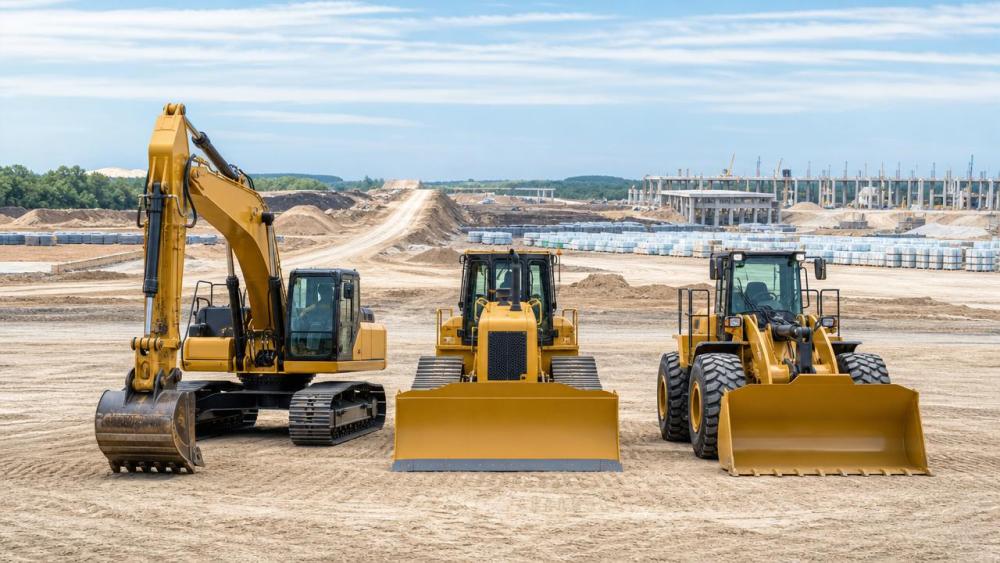
The heavy equipment rental market is no longer just a short-term capacity tool. It now intersects with telematics, emission compliance, labor constraints, and uncertain infrastructure pipelines.
Ownership still offers control and residual value. Yet fast machine obsolescence, rising financing costs, and uneven fleet utilization have made outright purchase harder to justify.
A checklist prevents emotional buying. It forces side-by-side review of utilization, cash flow, maintenance exposure, and technology risk before selecting heavy equipment rental or ownership.
Core Checklist: Heavy Equipment Rental vs Ownership
- Calculate actual annual utilization by machine class, not fleet average. Low-hour excavators, dozers, or graders often favor heavy equipment rental over idle owned assets.
- Compare total cost of use, including financing, transport, storage, service labor, attachments, tires or undercarriage wear, and end-of-life disposal exposure.
- Review project duration and sequencing. Multi-phase jobs with uncertain start dates usually benefit from heavy equipment rental flexibility and easier off-hire timing.
- Check local emission rules and future regulatory deadlines. New compliance thresholds can shorten ownership payback if older machines lose access to urban or public sites.
- Assess technology turnover speed. GPS machine control, semi-autonomous functions, and remote diagnostics can make purchased units feel outdated sooner than expected.
- Measure service capability in-house. If field maintenance coverage is thin, heavy equipment rental may reduce downtime through dealer-backed support and replacement access.
- Model balance sheet impact. Ownership ties up capital and borrowing capacity, while heavy equipment rental can preserve liquidity for bidding, labor, and materials.
- Test supply security in your region. During peak infrastructure cycles, rental availability for crawler excavators or wheel loaders may tighten without advance reservations.
- Examine attachment compatibility and operator familiarity. Frequent tool changes or specialized grading packages can shift the economics toward ownership in repeat applications.
- Estimate resale reality, not brochure value. Residual prices depend on hours, brand strength, maintenance records, regional demand, and upcoming engine regulation changes.
Scenario-Based Guidance Across Earthmoving Applications
Short-Duration Civil Works
Temporary road packages, drainage work, and urban utility excavation usually reward heavy equipment rental. Start-stop schedules and permit delays create idle periods that punish ownership economics.
Rental also helps when emission-compliant compact and mid-size units are required in dense city zones. Access to newer fleets reduces compliance risk and unexpected retrofit spending.
Long-Horizon Mining or Quarry Support
High-hour operations with stable utilization often support ownership. Machines such as wheel loaders and bulldozers can absorb capital cost when deployed continuously across predictable production cycles.
Even here, heavy equipment rental remains useful for peak stripping seasons, backup units, and replacement coverage during major component overhauls or undercarriage rebuilds.
Precision Grading and Technology-Heavy Projects
Motor graders and dozers with integrated 3D control create a special case. If the same technology package is used repeatedly, ownership can improve operator consistency and calibration discipline.
However, heavy equipment rental becomes attractive when digital control platforms are evolving rapidly. It allows access to newer sensors, software updates, and support without full replacement risk.
Urban Multi-Trade Projects
Skid steer loaders, mini excavators, and compact loaders in tight jobsites often swing between tasks. Heavy equipment rental works well when attachment demand changes weekly.
If the same machines rotate constantly across branches or crews, ownership may outperform rental, especially when transport routes, service routines, and operator training are already standardized.
Commonly Overlooked Risks
Ignoring Mobilization and Idle Time
Many comparisons focus only on daily or monthly rates. Real heavy equipment rental economics change once freight, assembly, pickup delays, and standby days are counted.
Underestimating Maintenance Variability
Owned fleets look cheaper on paper until major repairs arrive. Pumps, final drives, DEF systems, and undercarriage wear can erase expected savings in one bad season.
Assuming New Technology Always Pays Back
Advanced machine control improves productivity, but only when workflows support it. Heavy equipment rental is safer if site teams are still learning digital grading or remote fleet monitoring.
Missing Contract Fine Print
Damage clauses, hour caps, consumable responsibility, and replacement response times can shift the value of heavy equipment rental dramatically. Review terms with operating reality in mind.
Treating All Equipment the Same
A mixed strategy is often best. Ownership may suit core excavators, while heavy equipment rental covers seasonal loaders, specialist graders, or emergency backup units.
Practical Execution Steps
- Build a 24-month utilization forecast by machine type, site region, and attachment need before requesting quotes.
- Run two cost models: stable schedule and delayed schedule. Compare ownership and heavy equipment rental under both conditions.
- Request uptime support terms, field service response times, and replacement guarantees from every rental partner.
- Audit maintenance history on owned units and benchmark actual repair spending against expected rental premiums.
- Separate core production equipment from surge capacity equipment instead of forcing one financing logic across the entire fleet.
- Review telematics data monthly to see whether owned assets are generating returns or simply consuming storage and service budgets.
Conclusion and Next Action
In 2026, the best answer is rarely absolute ownership or total heavy equipment rental. The smarter position is asset segmentation based on utilization, compliance risk, technology pace, and project volatility.
Start with three machine categories: core, seasonal, and specialized. Then assign each category to purchase, rent, or hybrid sourcing based on measurable operating data.
For organizations tracking crawler excavators, loaders, graders, bulldozers, and compact equipment across changing infrastructure cycles, disciplined evaluation will protect capital and improve fleet agility. In that environment, heavy equipment rental becomes not just a fallback option, but a strategic lever.