
Related News
- 00
0000-00
How to size heavy-duty loaders for North American mining operations - 00
0000-00
How altitude affects mining excavator performance in Latin America - 00
0000-00
Caterpillar Launches New Cat 6060 and Upgraded Autonomous Mining System - 00
0000-00
When does eco-friendly construction equipment pay for itself? - 00
0000-00
Will a wheel loader quick coupler fit your existing attachments?
Unexpected failures in mining equipment can stop production within minutes and trigger wider operational losses for hauling, loading, crushing, and site support activities.
For maintenance teams, the first inspection steps matter most. A fast, structured check reduces downtime, improves safety, and prevents minor defects from becoming expensive repeat failures.
This guide explains what to check first on mining equipment, why those points fail early, and how to prioritize actions under real field conditions.
Core Definition of Mining Equipment Downtime Risk
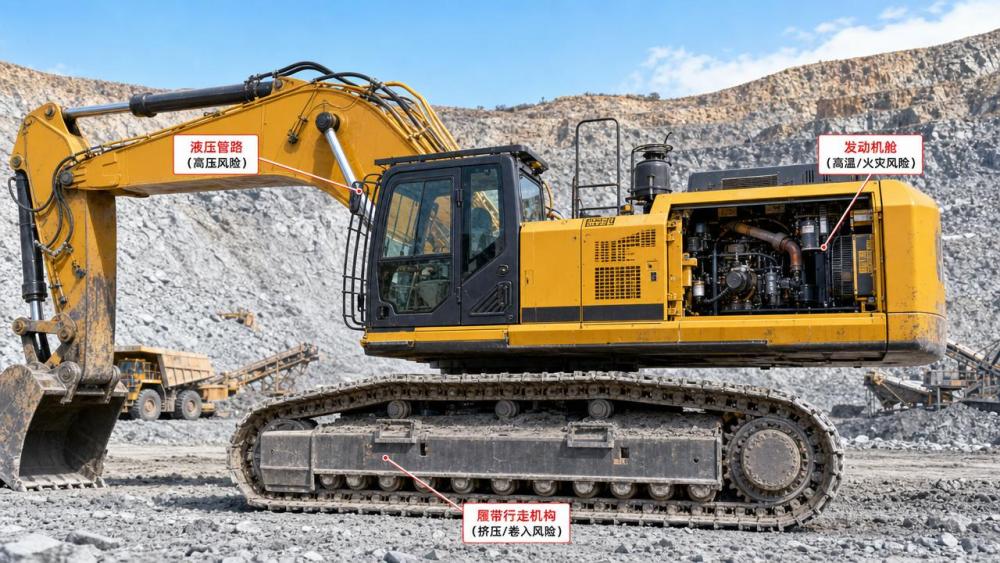
Mining equipment downtime risk is the chance that a machine becomes unavailable due to mechanical, hydraulic, electrical, structural, or operator-related issues.
In practice, downtime risk is not only about breakdown frequency. It also includes repair time, parts access, fault diagnosis speed, and restart reliability.
For crawler excavators, wheel loaders, bulldozers, graders, and support units, the highest risks often start with warning signs that appear hours or days earlier.
Those signals may include heat, pressure instability, fluid contamination, abnormal noise, sensor alarms, undercarriage wear, or repeated comments from operators.
A disciplined first-check routine helps isolate root causes before deeper teardown begins. That is why structured inspection remains essential for all mining equipment fleets.
Current Industry Focus Areas Behind Failure Events
Across the heavy equipment sector, uptime pressure has increased because machines run longer shifts, carry higher loads, and work in harsher dust, vibration, and temperature conditions.
At the same time, modern mining equipment uses more electronics, tighter hydraulic tolerances, and connected monitoring systems that require better maintenance discipline.
The following signals commonly appear before major downtime events:
These patterns matter because mining equipment downtime often spreads across production chains. One failed excavator can idle trucks, delay drilling, and disturb shift planning.
What to Check First on Mining Equipment
The first inspection should move from visible, high-risk items to system-level diagnostics. This saves time and avoids unnecessary disassembly.
1. Safety Status and Immediate Failure Signs
Start with lockout, unstable parked position, fuel leaks, hydraulic sprays, smoke, burnt odors, loose guards, and damaged access steps.
If a machine shows active leak paths or fire risk, contain the hazard before continuing. Safe access always comes before fault tracing.
2. Operator-Reported Fault Symptoms
Ask what changed first. Common clues include slower boom response, weak travel power, delayed steering, rough shifting, or intermittent warning lights.
Operator comments often reveal whether failure developed gradually or happened suddenly after impact, overload, contamination, or weather exposure.
3. Hydraulic System Condition
Hydraulics remain one of the most critical first checks for mining equipment because they affect digging, lifting, steering, travel, and attachment performance.
- Inspect hose abrasion, wet fittings, and cracked seals.
- Check oil level, oil color, and foaming.
- Review pressure trends and temperature history.
- Examine filters for blockage indicators or collapse.
Contaminated hydraulic oil can damage pumps, valves, and actuators quickly. If pressure is unstable, test before replacing major components.
4. Undercarriage, Tires, and Ground Contact Components
For tracked mining equipment, inspect track tension, shoe damage, rollers, idlers, sprockets, and frame cracks.
For wheeled units, check tire cuts, uneven wear, sidewall damage, rim condition, and wheel-end temperature.
Ground contact failures increase fuel use, stress drivetrains, and create secondary damage that is often more costly than the original defect.
5. Lubrication Points and Fluid Integrity
Low grease, wrong viscosity, and water-contaminated oils are common hidden causes of mining equipment downtime.
Check automatic greasing systems, bearing points, swing systems, pins, bushings, gearboxes, axles, and final drives.
A dry pin or bearing may seem minor at first, yet it can quickly become a seized joint or structural wear problem.
6. Electrical Harnesses, Sensors, and Connectors
Modern mining equipment depends on reliable sensor data for engine control, load management, safety logic, and remote diagnostics.
Inspect connectors for corrosion, pin damage, loose locking tabs, water entry, and rubbing against steel edges.
Many intermittent failures come from wiring faults, not failed modules. Always verify power, ground, and signal continuity first.
Operational Value of a Structured First-Check Routine
A clear inspection order improves more than repair speed. It strengthens maintenance planning, parts forecasting, and confidence in machine restart decisions.
For heavy earthmoving and mining equipment fleets, structured checks support several business outcomes:
- Lower mean time to diagnose
- Fewer unnecessary component replacements
- Better control of secondary damage
- Improved shift continuity and site utilization
- Stronger safety compliance during unplanned events
This approach aligns with the broader direction of intelligent machinery management, where uptime depends on both mechanical reliability and data-led maintenance discipline.
Typical Mining Equipment Categories and Early Inspection Priorities
Different machines fail in different ways. Early checks should reflect machine function, load profile, and operating environment.
Practical Inspection Recommendations and Cautions
An effective mining equipment inspection process should be consistent, documented, and easy to repeat across shifts.
- Record the exact fault code, time, and operating condition.
- Compare visual findings with onboard diagnostics and service history.
- Sample fluids before opening major components whenever possible.
- Separate root cause from resulting damage during evaluation.
- Confirm repairs with loaded functional testing, not idle checks only.
Avoid rushing straight to part replacement. In mining equipment, repeated failures often continue when contamination, misalignment, or poor lubrication remains unresolved.
It is also important to review environmental exposure. Dust, water ingress, blasting vibration, and cold starts can distort fault patterns and shorten service intervals.
Next-Step Maintenance Actions for Better Uptime
The most effective response to mining equipment downtime risk is a repeatable first-check standard supported by inspection records, oil analysis, and fault trend reviews.
Heavy equipment intelligence platforms such as EMD help connect field symptoms with broader equipment behavior, component trends, and machinery evolution across global operations.
Use this checklist structure to refine preventive maintenance routes, improve troubleshooting discipline, and reduce unplanned stoppages across critical mining equipment assets.
When the first checks are accurate, recovery becomes faster, safer, and more cost-effective. That is the foundation of reliable uptime in demanding mining environments.