
Related News
- 00
0000-00
How to size heavy-duty loaders for North American mining operations - 00
0000-00
How altitude affects mining excavator performance in Latin America - 00
0000-00
Caterpillar Launches New Cat 6060 and Upgraded Autonomous Mining System - 00
0000-00
When does eco-friendly construction equipment pay for itself? - 00
0000-00
Will a wheel loader quick coupler fit your existing attachments?
Construction Equipment Specifications: Key Metrics That Matter Most
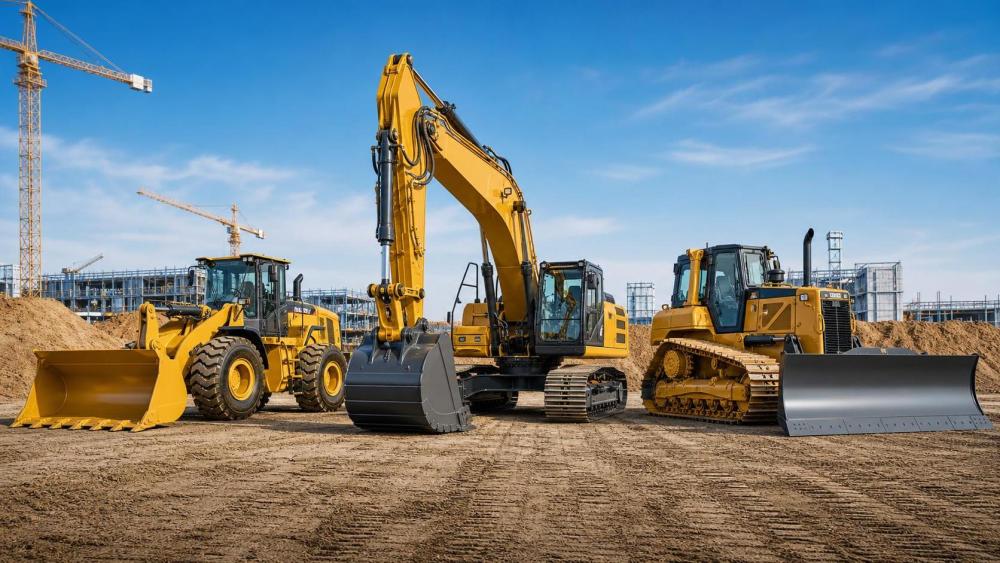
For technical evaluators, construction equipment specifications are not brochure filler. They shape output, precision, fuel burn, durability, and whole-life cost on real sites.
That is why careful reading matters. A machine may look strong on paper, yet underperform when cycle time, hydraulic response, or ground pressure are examined closely.
Across excavators, wheel loaders, motor graders, bulldozers, and skid steers, the most useful construction equipment specifications connect directly to field behavior.
From recent market shifts, the stronger signal is clear. Buyers now compare not only rated power, but also efficiency, control quality, telematics, and emissions readiness.
This also means specification review has become more technical. A solid assessment must connect standards, application demands, operator workflow, and long-term maintenance exposure.
Why Construction Equipment Specifications Need Context
Not every number carries equal weight. Some metrics are marketing friendly, while others reveal how a machine behaves in trenching, loading, grading, or pushing conditions.
Engine horsepower matters, but usable hydraulic power often matters more. Operating weight matters, but balance, track design, and attachment matching can change performance dramatically.
In practical evaluation work, construction equipment specifications should be read against three questions.
- Does the metric reflect real productivity under load?
- Is the number measured under a recognized test standard?
- Will the performance remain consistent across climate, operator skill, and duty cycle?
Without that context, comparison becomes misleading. Two similar machines can post similar headline figures, yet produce very different cost per cubic meter or cost per finished surface.
Core Metrics That Matter Across Equipment Types
Some construction equipment specifications matter almost everywhere. These are the baseline metrics worth checking before diving into machine-specific data.
1. Operating Weight and Weight Distribution
Operating weight influences stability, traction, breakout force, transport planning, and ground impact. Yet the total number alone is not enough.
Weight distribution affects lifting confidence, blade penetration, and tire or track wear. On soft ground, poor distribution can undermine output even with high rated power.
2. Net Power, Torque, and Power Delivery
Net power is more useful than gross power because it reflects installed losses. Torque rise is equally important where machines face changing resistance.
A smooth power curve supports better digging, loading, and pushing. This is especially relevant when evaluating Tier-compliant engines and fuel-saving operating modes.
3. Hydraulic Flow and System Pressure
Hydraulic flow supports speed. System pressure supports force. Together, they sit at the center of many construction equipment specifications.
High flow without usable pressure can disappoint. High pressure without stable thermal control can hurt reliability and attachment performance over long shifts.
4. Fuel Consumption and Efficiency Indicators
Fuel burn per hour is only a starting point. A better view links fuel use to tons moved, cycles completed, or square meters finished.
As decarbonization pressure increases, efficient construction equipment specifications become more valuable in procurement, fleet planning, and emissions reporting.
5. Service Intervals and Maintenance Access
The strongest machine can still lose value through downtime. Service intervals, filter access, lubrication points, and onboard diagnostics deserve close review.
In real fleet operations, maintenance-friendly construction equipment specifications often separate low-cost ownership from expensive surprises.
Machine-Specific Construction Equipment Specifications
After the common metrics, the next step is role-specific analysis. Each machine family has a few numbers that deserve extra attention.
Crawler Excavators
Focus on bucket breakout force, arm crowd force, maximum digging depth, reach at ground level, and swing torque.
Check whether force figures are boosted values or sustained values. That distinction changes actual trenching and rock-handling expectations.
Hydraulic response, auxiliary circuits, and electro-hydraulic tuning also matter when attachments are part of the application mix.
Wheel Loaders
Key construction equipment specifications include bucket capacity, static tipping load, breakout force, lift time, and full cycle time.
Payload match is critical. An oversized bucket can reduce fill factor, overload driveline components, and distort fuel efficiency comparisons.
Motor Graders
Look at moldboard width, blade down force, articulation angle, circle torque, and grade-control compatibility.
For precision work, guidance integration can matter as much as raw power. Millimeter-level output depends on control stability, not just blade geometry.
Bulldozers
Pay close attention to drawbar pull, blade capacity, operating weight, ground pressure, and track type.
A dozer built for hard pushing can struggle in soft conditions if track configuration and undercarriage design are mismatched.
Skid Steer Loaders
Rated operating capacity, tipping load, auxiliary hydraulic flow, hinge pin height, and attachment change speed should all be reviewed.
Since these machines work in tight spaces, dimensions and maneuverability often carry more value than simple engine output.
How to Compare Specifications Without Getting Misled
A clean comparison framework helps reduce bias. It also exposes where construction equipment specifications may hide tradeoffs.
- Verify the test standard behind each figure, including ISO, SAE, or OEM-specific methods.
- Compare machines in the same operating class and intended application.
- Separate peak values from continuous values.
- Review the attachment, tire, track, or blade configuration used in the published data.
- Ask for telematics-based fuel and utilization records where available.
- Translate specs into production cost, not just technical ranking.
This approach matters even more in mixed fleets. A machine that looks weaker in isolation can still win when uptime, attachment flexibility, and transport ease are included.
The Rising Importance of Digital and Emissions Data
Modern construction equipment specifications increasingly include software and compliance indicators. This trend is no longer optional.
Telematics, remote diagnostics, payload monitoring, grade-control integration, and autonomous-ready architecture now influence asset value.
At the same time, emissions systems affect cooling demand, service complexity, and fuel behavior. That makes aftertreatment design part of meaningful specification review.
For organizations tracking decarbonization, construction equipment specifications should also cover idle management, hybrid support, and future electrification readiness where relevant.
A Practical Checklist for Better Evaluation
When time is limited, a short checklist keeps decisions grounded.
- Match the machine to material type, cycle intensity, and site constraints.
- Prioritize construction equipment specifications tied to production, not brochure appeal.
- Confirm whether the machine can maintain performance across full-shift thermal loads.
- Review serviceability, parts support, and software update pathways.
- Check compatibility with existing fleet attachments and digital systems.
- Estimate total cost per unit of output over the expected duty cycle.
In actual purchasing work, this kind of discipline reduces selection risk. It also improves communication between technical teams, operations leaders, and procurement.
Conclusion
The best construction equipment specifications are the ones that explain jobsite behavior clearly. They connect force, speed, precision, efficiency, and durability in a measurable way.
When those metrics are read in context, machine comparison becomes sharper and more defensible. That is where better uptime, better asset utilization, and better long-term value usually begin.
For organizations tracking earthmoving performance closely, the next step is simple: build every evaluation around application-specific construction equipment specifications, verified standards, and output-based decision criteria.