
Related News
- 00
0000-00
Crawler Excavators: Key Checks Before Model Selection - 00
0000-00
Heavy Machinery Industry Trends Shaping 2026 Fleet Plans - 00
0000-00
Construction Equipment Technology That Cuts Rework - 00
0000-00
Autonomous Construction: Where It Delivers Value First - 00
0000-00
Construction Machinery Costs: Buy, Rent, or Lease?
For technical evaluators, excavator technology upgrades are no longer cosmetic additions. Modern excavator technology directly affects bucket placement accuracy, swing smoothness, cycle time, fuel burn, and repeatable operator output across trenching, loading, grading, and utility work.
The most valuable upgrades combine control precision, machine awareness, and workflow automation. When applied correctly, they reduce rework, shorten dig-load-dump cycles, and improve consistency in demanding mixed-site conditions.
Why a Checklist Is Essential for Evaluating Excavator Technology
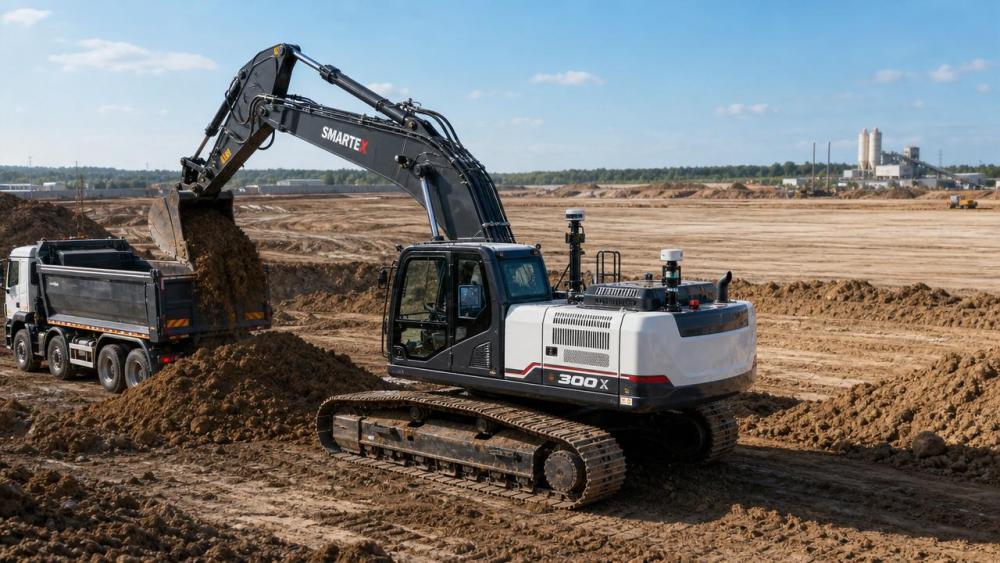
Not every new feature produces measurable field gains. Some upgrades improve operator comfort, while others materially change cut accuracy, spoil placement, and truck loading rhythm. A checklist prevents decisions based on brochure language instead of jobsite impact.
In heavy equipment environments, performance is linked to system interaction. Hydraulic response, sensor quality, software logic, attachment recognition, and machine stability must work together. Reviewing excavator technology in isolated categories often misses the real productivity outcome.
Core Checklist: Excavator Technology Upgrades That Improve Accuracy and Cycle Time
- Prioritize electro-hydraulic control systems that deliver faster valve response, smoother metering, and better simultaneous motion during boom, arm, bucket, and swing functions.
- Verify grade control integration with 2D or 3D guidance, so target depth, slope, and elevation remain visible without repeated manual grade checks.
- Check for boom, bucket, and swing sensors with stable calibration, because poor sensor reliability quickly erodes any claimed excavator technology accuracy advantage.
- Select payload weighing systems that provide real-time load data, helping reduce overloading, shorten truck spotting delays, and stabilize pass count planning.
- Evaluate semi-autonomous dig assist functions that limit overcutting, hold bucket trajectory, and reduce repeated corrections during trenching or finish excavation.
- Confirm automatic engine and hydraulic power matching, which improves cycle efficiency by supplying force only when the digging resistance actually demands it.
- Review swing control refinement, especially swing priority and swing deceleration tuning, to improve dump-point precision and reduce lost seconds in repetitive loading cycles.
- Use attachment recognition and programmable auxiliary flow settings, ensuring hammers, tilting buckets, grapples, and compactors work without manual setup errors.
- Inspect cab interface design and monitor logic, because useful excavator technology must present grade, payload, and machine status data without slowing operation.
- Measure telematics depth beyond location tracking, including idle analysis, cycle segmentation, geofencing, and fault trends that reveal whether upgrades produce real gains.
Which Upgrades Usually Deliver the Fastest Returns
Across general earthmoving, electro-hydraulic refinement, integrated grade control, and advanced swing logic often create the clearest improvements. These functions influence nearly every cycle rather than only occasional tasks.
Payload systems and telematics become especially valuable where truck loading, fuel control, and utilization tracking matter. Their return grows when operations depend on fleet coordination instead of single-machine performance.
How These Excavator Technology Upgrades Perform in Different Applications
Trenching and Utility Installation
In trenching, excavator technology that prevents overdigging usually saves more time than raw breakout force gains. Grade guidance, bucket tip tracking, and semi-automatic depth limitation reduce bedding correction and backfill waste.
Smooth low-speed hydraulic modulation also matters. Jerky arm or bucket response slows pipe-zone work and increases the chance of wall disturbance, especially in narrow trenches near existing assets.
Mass Excavation and Truck Loading
For bulk earthmoving, the priority shifts toward cycle time repeatability. Fast swing acceleration, controlled deceleration, and hydraulic power matching reduce hesitation between dig face, truck body, and return path.
Payload measurement adds practical value here. Accurate bucket-by-bucket estimates reduce truck overload risk, help maintain legal transport limits, and prevent extra topping-off passes that consume time.
Precision Grading and Slope Work
In finish grading, excavator technology must maintain fine control at low travel and low lever input. Advanced 2D or 3D guidance minimizes checker dependence and helps maintain consistent final surface tolerances.
Tilt bucket programming and attachment presets improve transition speed between cut shaping and trimming. The benefit is strongest where multiple slopes, offsets, and design surfaces are present on one site.
Demolition, Material Handling, and Specialty Attachments
Attachment-intensive work depends on accurate auxiliary hydraulic control. Preset flow, pressure, and response profiles reduce setup delays and lower the risk of damaging high-value tools through incorrect configuration.
Machine awareness systems also matter more in constrained environments. Cameras, stability aids, and predictable swing behavior improve placement control when handling scrap, concrete, or irregular debris loads.
Commonly Overlooked Factors That Limit Real-World Results
Ignoring Calibration Discipline
Even strong excavator technology loses value when sensors drift or attachment geometry is entered incorrectly. Guidance accuracy depends on routine calibration, not just hardware specification.
Focusing on Peak Speed Instead of Controlled Speed
A faster machine is not always a more productive one. Excessively aggressive response can create overshoot, bucket repositioning, truck strike risk, and poor final grade consistency.
Underestimating Human-Machine Interface Quality
If grade data, payload values, or work modes take too many screen steps, operators bypass them. Useful excavator technology must fit real cycle rhythm, not interrupt it.
Adding Smart Features Without Workflow Integration
Telematics, 3D models, and payload data create value only when linked to planning, maintenance, and production tracking. Standalone digital functions rarely transform output by themselves.
Practical Execution Steps for Comparing Excavator Technology
- Run the same trenching, loading, and grading tasks on comparable material conditions, then measure cycle time, overcut depth, and bucket placement deviation.
- Record operator inputs and correction frequency, because fewer lever adjustments often indicate stronger hydraulic tuning and better excavator technology usability.
- Compare setup time for attachments, grade models, and payload systems, since fast commissioning directly affects daily production on mixed-task sites.
- Review telematics reports after several shifts, looking for idle time, mode usage, fuel per cycle, and whether claimed productivity improvements persist.
- Test with both experienced and average operators, because the best excavator technology should narrow performance gaps, not only reward top-level skill.
Conclusion and Action Guide
The most effective excavator technology upgrades are the ones that improve repeatable control, visible grade awareness, and efficient cycle flow. Electro-hydraulic precision, integrated guidance, swing optimization, payload intelligence, and attachment automation stand out because they influence measurable field output.
Start with the application that creates the most cost exposure, whether that is overexcavation, slow truck loading, regrading, or attachment setup delay. Then test each excavator technology upgrade against those exact losses.
A disciplined checklist, short field trial, and data-based review will reveal which upgrades truly improve accuracy and cycle time. That approach turns new excavator technology from a specification item into a verified productivity tool.