
Related News
- 00
0000-00
How much does a 3D grader guidance system cost fully installed? - 00
0000-00
How to verify capacity before sourcing equipment from manufacturers - 00
0000-00
When to choose LGP dozers for infrastructure site preparation - 00
0000-00
How to size heavy-duty loaders for North American mining operations - 00
0000-00
How altitude affects mining excavator performance in Latin America
In 2026, hydraulic machinery costs will be shaped by far more than purchase price. For financial approvers, total ownership now depends on fuel efficiency, maintenance cycles, uptime, emissions compliance, automation readiness, and resale value. This article breaks down the key cost drivers behind excavators, loaders, graders, bulldozers, and skid steers to help decision-makers evaluate long-term returns with greater confidence.
Why a checklist matters for hydraulic machinery costs in 2026
Hydraulic machinery now sits inside a tighter cost environment. Fuel volatility, stricter emissions rules, and digital service models all change lifetime economics.
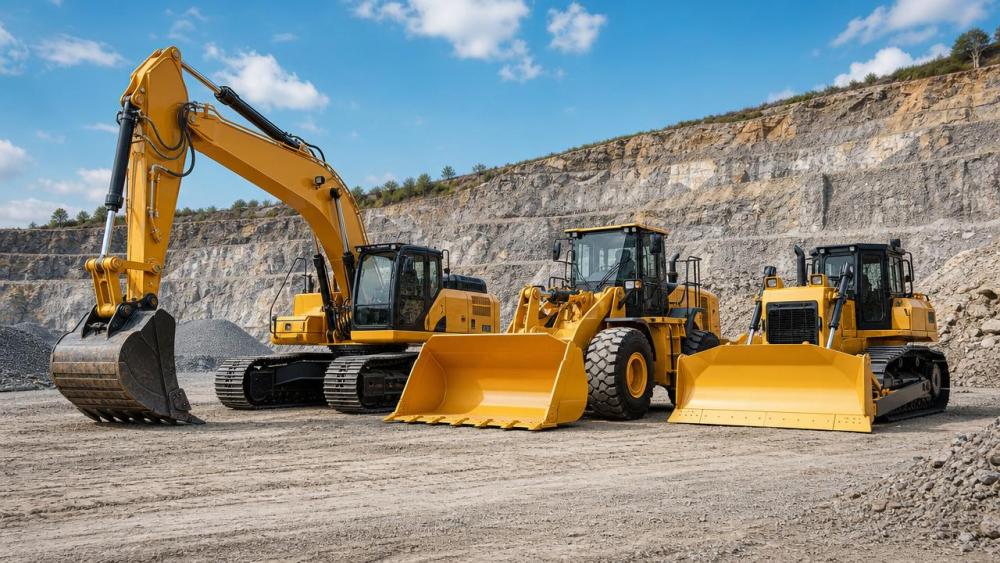
A checklist prevents cost reviews from stopping at list price. It helps compare excavators, loaders, graders, bulldozers, and skid steers on true ownership performance.
For EMD’s coverage areas, this matters even more. High breakout force, precision control, and machine intelligence create value only when uptime and lifecycle cost remain balanced.
Core checklist: what drives total ownership of hydraulic machinery
Use the following checklist to evaluate hydraulic machinery costs in 2026 with greater discipline and better long-term visibility.
- Compare fuel burn under real duty cycles, not brochure averages, because idle time, travel distance, bucket fill factor, and hydraulic load sharply affect annual operating spend.
- Check hydraulic system efficiency by reviewing pump control logic, pressure management, and heat generation, since energy loss inside the circuit becomes recurring ownership cost.
- Review maintenance intervals for filters, hoses, seals, fluids, undercarriage parts, and wear edges, then convert service timing into yearly labor hours and planned downtime.
- Measure parts availability across regions, because a lower machine price loses value quickly when cylinders, valves, sensors, or travel motors take weeks to source.
- Audit telematics capability and remote diagnostics, since connected hydraulic machinery can reduce troubleshooting time, improve dispatch planning, and limit costly field service visits.
- Verify emissions compliance and aftertreatment complexity, especially where Tier 4 Final, Stage V, or local non-road standards influence registration, fuel quality, and service burden.
- Assess operator-assist and automation readiness, including 3D grading, payload monitoring, and electro-hydraulic controls, because these features often improve output per shift.
- Estimate attachment compatibility and auxiliary hydraulic capacity, as poor matching can limit utilization and force extra capital spending across multiple job types.
- Track tire or undercarriage wear as a separate cost line, since travel intensity, ground conditions, and machine balance often erase savings expected from purchase discounts.
- Project resale value using brand strength, service history, engine tier acceptance, and software support life, because exit value can materially change total ownership.
How cost drivers change by machine application
Crawler excavators and hydraulic breakers
For excavators, hydraulic machinery costs often center on fuel, undercarriage wear, and attachment stress. High-flow applications accelerate hose fatigue, seal wear, and oil temperature problems.
Machines used in quarrying or demolition should be judged by hydraulic cooling, boom durability, and swing system reliability, not only hourly output claims.
Wheel loaders in aggregates and bulk handling
Loader ownership depends heavily on repeated short-cycle efficiency. Transmission behavior, bucket matching, and tire life can outweigh a small difference in initial capital cost.
Hydraulic machinery in stockpile, port, or mining support work should also be reviewed for payload accuracy and idle reduction settings.
Motor graders and precision finishing
Graders create value through precision. In this segment, hydraulic machinery costs are strongly linked to control smoothness, sensor integration, and blade responsiveness.
A machine with reliable GPS, laser, or IMU integration can reduce rework, pass count, and fuel burn across long road or airport projects.
Bulldozers and high-load pushing
Dozers face different economics. Track wear, hydrostatic transmission efficiency, and cooling under sustained load are usually bigger cost levers than engine size alone.
When finish tolerance matters, semi-autonomous blade control can lower rework and improve fuel use enough to offset added technology cost.
Skid steers in urban and mixed-use work
Compact hydraulic machinery earns value from versatility. The wrong auxiliary flow rating or weak attachment support can cut utilization across landscaping, municipal, and utility jobs.
In dense urban work, visibility, service access, and transport ease also affect total ownership by reducing non-productive time.
Commonly overlooked hydraulic machinery cost risks
Software subscriptions and locked features
Some hydraulic machinery now depends on paid digital functions for telematics, grade control, or diagnostics. These recurring fees must sit inside lifecycle models.
Hydraulic oil quality and contamination control
Poor filtration discipline shortens valve, pump, and cylinder life. Small contamination problems often become major ownership costs after warranty periods end.
Regional service depth
A strong global brand does not guarantee equal local support. Technician availability, field response time, and component stocking can vary sharply by territory.
Decarbonization transition risk
As fleets move toward hybrid, electric, and autonomy-ready platforms, older hydraulic machinery may face faster depreciation in some regulated markets.
Practical execution steps for cost evaluation
- Build a five-year cost sheet covering acquisition, fuel, service, wear parts, downtime, insurance, and expected resale.
- Segment hydraulic machinery by duty cycle instead of fleet category, then compare machines only against similar workloads.
- Request field data from matched applications, including liters per hour, idle ratio, planned maintenance time, and unplanned stoppages.
- Test digital features in actual workflows, especially payload, grading, and remote diagnostics, before assigning productivity value.
- Score dealer support, parts lead time, and software support life alongside technical specifications and price.
Final takeaway on hydraulic machinery ownership in 2026
The real cost of hydraulic machinery in 2026 will come from how well each machine converts energy, survives wear, stays compliant, and remains productive across changing job conditions.
A disciplined checklist reveals where value truly sits: lower fuel burn, cleaner hydraulics, stronger uptime, smarter controls, and better residual value.
Start with one machine class, gather operating data, and apply the same ownership model across excavators, loaders, graders, bulldozers, and skid steers. That is the clearest path to more reliable hydraulic machinery investment decisions.