
Related News
- 00
0000-00
How to size heavy-duty loaders for North American mining operations - 00
0000-00
How altitude affects mining excavator performance in Latin America - 00
0000-00
Caterpillar Launches New Cat 6060 and Upgraded Autonomous Mining System - 00
0000-00
When does eco-friendly construction equipment pay for itself? - 00
0000-00
Will a wheel loader quick coupler fit your existing attachments?
Choosing the wrong earthmoving machinery can delay excavation, overload haul routes, and create costly idle time. Selection mistakes often begin before work starts, then compound across every project milestone.
This guide explains the most common errors, why they slow delivery, and how better matching of machine size, ground conditions, and cycle demands improves schedule control.
Why does earthmoving machinery selection affect delivery speed so much?
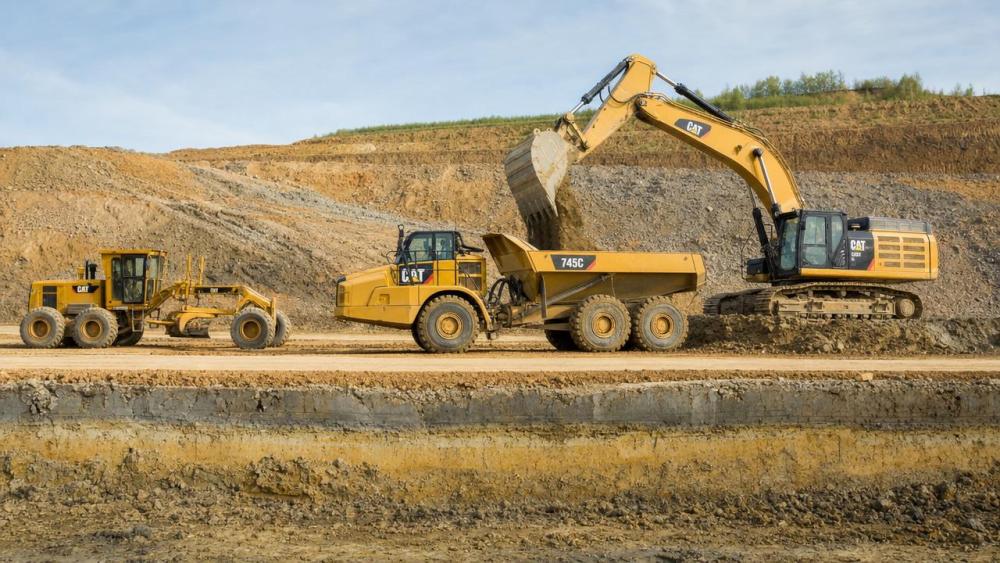
Earthmoving machinery determines production rate, travel efficiency, fuel burn, and rehandling. A poor match can reduce output even when the machine appears powerful on paper.
On mixed sites, one bottleneck machine slows the whole sequence. Excavators wait for trucks, graders wait for rough cuts, and compaction starts late.
This is why earthmoving machinery selection should be linked to workflow, not only purchase price or available fleet stock.
What usually gets underestimated?
- Actual material density after rain or blasting
- Swing radius limits near structures or traffic lanes
- Travel distance between cut and fill zones
- Operator visibility in congested work areas
- Attachment changeover time
- Ground bearing pressure on weak surfaces
When these factors are missed, the selected earthmoving machinery may technically function, but it will not support reliable delivery speed.
What are the most common earthmoving machinery selection mistakes?
Several mistakes appear repeatedly across infrastructure, utilities, site preparation, quarry support, and urban construction jobs.
1. Choosing by machine size alone
A larger unit is not always faster. Oversized earthmoving machinery can lose time in turning, loading precision, and restricted access.
In trenching or urban work, compact machines may complete more cycles because they maneuver faster and require fewer repositioning moves.
2. Ignoring material type
Dry sand, sticky clay, blasted rock, and demolition fill all behave differently. Bucket fill factor and breakout force requirements can change dramatically.
Wrong earthmoving machinery in sticky material often leads to partial bucket loads, carryback, and repeated passes.
3. Mismatching machines across the fleet
A high-capacity excavator paired with undersized haulers creates queue imbalance. The loading unit sits idle between truck arrivals.
The opposite problem is common too. Too many trucks assigned to a slow loading machine increase congestion and fuel waste.
4. Overlooking terrain and underfoot conditions
Slope, moisture, rutting risk, and traction matter. Wheeled equipment may underperform where tracked earthmoving machinery is required for stability.
On the other hand, tracks on firm, long-haul surfaces can be slower and less efficient than wheeled alternatives.
5. Forgetting finish tolerances
Bulk moving and precision grading need different strengths. A dozer can push volume, but final formation may require advanced grading control.
If finish equipment is chosen too late, rework increases and downstream paving or foundation tasks are delayed.
How should earthmoving machinery be matched to job conditions?
The best approach is to match machine capability to material, haul logic, access limits, and finish requirements at the same time.
Start with the production objective
Define hourly targets for cut, load, carry, spread, and grade. Then choose earthmoving machinery that supports the slowest critical step.
Assess machine-role fit
- Crawler excavators suit deep digging, hard material, and stable loading positions.
- Wheel loaders suit fast stockpile loading and short transfer cycles.
- Motor graders suit tolerance-sensitive finishing and long surface correction passes.
- Bulldozers suit heavy pushing, stripping, and traction-demanding ground.
- Skid steer loaders suit tight spaces and attachment-driven tasks.
Check support systems early
Earthmoving machinery performs best when supported by haul road planning, refueling access, drainage control, and maintenance windows.
A good machine on a poor route still misses production targets.
Which site scenarios often lead to the wrong earthmoving machinery choice?
Selection errors are especially common when the site looks simple but operating conditions change through the day or by work zone.
Urban projects
Restricted access, underground services, noise limits, and traffic interfaces often punish oversized earthmoving machinery.
Compact excavators or skid steer units may outperform larger machines because they reduce repositioning and safety interruptions.
Road and airport works
High tolerance surfaces demand more than moving dirt quickly. Precision grading equipment becomes essential early, not only at the finishing stage.
Mining support and quarry stripping
Here, underestimating material hardness and cycle length is a major mistake. Earthmoving machinery must handle abrasive loads and sustained output pressure.
Wet or seasonal sites
Machines selected for dry conditions can struggle after rainfall. Reduced traction, sinkage, and haul route degradation can sharply cut performance.
How can cost-focused decisions create bigger schedule losses?
Lowest upfront cost does not equal lowest project cost. Cheap earthmoving machinery choices often hide lower fuel efficiency, shorter wear life, or weaker control systems.
Schedule loss becomes expensive when crews wait, subcontractors remobilize, or finished areas require correction. These indirect costs can exceed equipment savings.
Watch these hidden cost drivers
- Extra passes due to low blade or bucket accuracy
- High fuel use under heavy load cycles
- Frequent downtime from weak service access
- Attachment incompatibility
- Operator fatigue from poor visibility or controls
- Slow data integration with grade control systems
High-value earthmoving machinery decisions should consider utilization, not just ownership or rental line items.
What is a practical checklist for choosing earthmoving machinery correctly?
A structured review prevents rushed choices and helps compare options objectively across different work packages.
Fast decision steps
- Map the full earthmoving sequence from cut to final grade.
- Measure production bottlenecks, not only peak machine specs.
- Compare at least two machine combinations, not single units.
- Test against wet-weather and restricted-access scenarios.
- Confirm serviceability, attachments, and operator visibility.
How can better earthmoving machinery planning improve next-phase performance?
Good selection does more than accelerate today’s excavation. It improves downstream grading, drainage formation, utility installation, and surfacing accuracy.
Well-matched earthmoving machinery reduces overcut, rutting, stockpile disorder, and unnecessary hand correction. This creates cleaner handoffs between work stages.
For complex projects, equipment intelligence also matters. Telemetry, payload visibility, and machine control data can reveal whether the chosen setup remains effective.
Review actual cycle times weekly. If haul queues, fuel spikes, or finish defects appear, adjust the fleet mix before delays spread.
The right earthmoving machinery strategy begins with realistic site conditions and ends with measurable workflow discipline. Better decisions at selection stage protect schedule, margin, and quality.
Use a simple evaluation sheet on the next job: material, terrain, access, fleet balance, tolerance, and support needs. That one step can prevent the most expensive selection mistakes.