
Related News
- 00
0000-00
How to size heavy-duty loaders for North American mining operations - 00
0000-00
How altitude affects mining excavator performance in Latin America - 00
0000-00
Caterpillar Launches New Cat 6060 and Upgraded Autonomous Mining System - 00
0000-00
When does eco-friendly construction equipment pay for itself? - 00
0000-00
Will a wheel loader quick coupler fit your existing attachments?
On June 1, 2026, China’s Ministry of Industry and Information Technology put into effect the fourth version of the implementation measures for steel industry capacity replacement. The update is relevant to large mining loader supply chains, overseas OEMs, importers, casting and forging suppliers, and component procurement teams because it may affect delivery stability for high-strength structural parts and chassis castings and forgings used in large mining loaders.
Event Overview
On June 1, 2026, the Ministry of Industry and Information Technology officially implemented the fourth version of the steel industry capacity replacement measures.
According to the available information, the revised measures substantially increase the replacement ratio, restrict cross-provincial capacity transfers, and require the shutdown of older smelting production lines with high energy consumption.
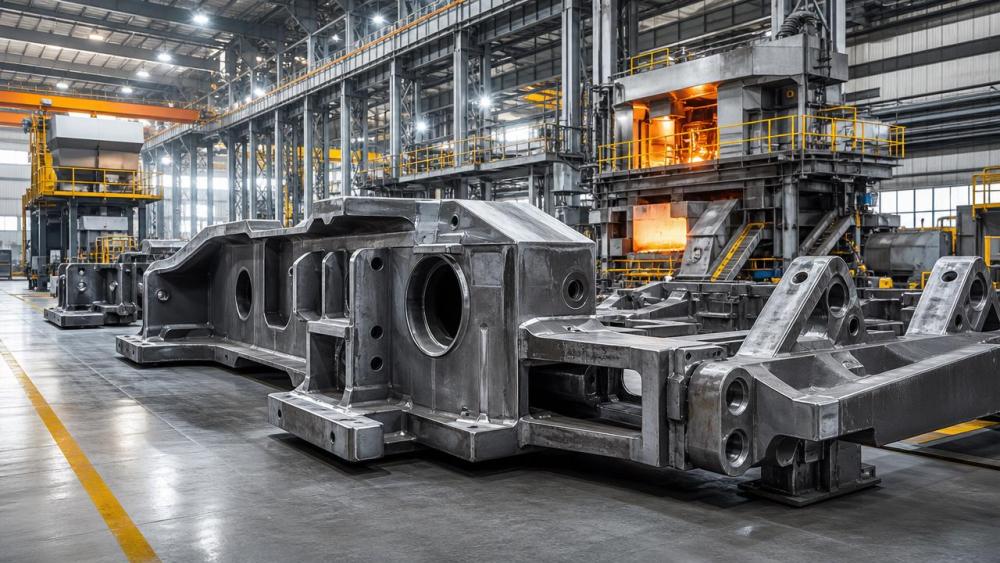
The policy is directly connected to upstream suppliers that provide high-strength structural components and chassis castings and forgings for large mining loaders. Some small and medium-sized casting and forging plants have started compliance rectification or production reduction. Overseas OEMs and importers are therefore expected to reassess the capacity continuity and certification status of core component suppliers in China.
Which Segments Are Affected
Overseas OEMs and Importers
Overseas OEMs and importers of large mining loaders may be affected because their procurement chains often depend on stable delivery of heavy structural components, chassis-related castings, and forgings.
From an industry perspective, the main impact is not limited to price or procurement cost. It is more directly reflected in supplier continuity, delivery schedules, production planning, and the need to verify whether current Chinese suppliers can maintain compliant production under the new capacity replacement requirements.
Large Mining Loader Component Suppliers
Suppliers producing high-strength structural parts and chassis castings and forgings are among the most directly exposed segments. The measures require stricter capacity replacement and the shutdown of older, high-energy smelting lines, which may affect upstream melting, casting, forging, and related production arrangements.
Analysis shows that suppliers relying on older production lines or suppliers undergoing compliance rectification may face delivery uncertainty. For buyers, this could mean longer confirmation cycles for orders, more frequent delivery updates, and a greater need to review supplier qualification documents.
Small and Medium-Sized Casting and Forging Plants
Some small and medium-sized casting and forging plants have already started compliance rectification or production reduction. This makes them a key group to monitor within the supply chain.
Observably, the impact on this segment may appear first in production scheduling and order acceptance. Plants under rectification may need to adjust operating plans, while plants reducing production may have less flexibility in urgent or large-volume orders for mining equipment components.
Procurement and Supply Chain Service Providers
Procurement agents, supply chain coordinators, inspection service providers, and logistics planners may also be affected because buyers will likely request more detailed supplier verification and delivery risk checks.
What deserves closer attention now is whether supplier documents, production capacity statements, and certification records remain consistent with actual operating conditions after the new measures take effect. This may increase the workload for supplier audits, order follow-up, and delivery coordination.
What Companies and Practitioners Should Watch and How to Respond
Track Official Follow-Up and Policy Implementation
Companies should continue monitoring official statements related to the steel capacity replacement measures, especially any follow-up explanations concerning replacement ratios, cross-provincial capacity transfers, and shutdown requirements for older smelting lines.
From an industry perspective, the current policy has already taken effect, but the business impact may depend on how different suppliers adjust their production and compliance processes. Buyers should avoid relying only on previous supplier capacity assumptions.
Recheck Critical Component Suppliers
Overseas OEMs and importers should review suppliers involved in high-strength structural parts, chassis castings, and chassis forgings for large mining loaders. The review should focus on capacity continuity, certification status, production line compliance, and whether the supplier is undergoing rectification or production reduction.
Analysis shows that this type of review is especially important for orders with strict delivery windows. A supplier that remains technically capable may still face temporary scheduling pressure if its upstream smelting or forging resources are affected.
Separate Policy Signal from Order-Level Impact
Companies should distinguish between the policy itself and its actual effect on specific purchase orders. The new measures are a clear policy signal for stricter capacity control in the steel sector, but the impact on each order will depend on the supplier’s production status, product category, and compliance condition.
It is more appropriate to understand this as a supply chain risk checkpoint rather than an immediate conclusion that all Chinese mining loader component deliveries will be disrupted.
Prepare Alternative Procurement and Communication Plans
Procurement teams should communicate earlier with key suppliers about delivery schedules, production line status, and compliance-related adjustments. For critical parts, companies should prepare backup supplier options or adjusted delivery plans where feasible.
What deserves closer attention now is the continuity of core components rather than general market movement. Practical preparation should focus on confirmed suppliers, confirmed part categories, and confirmed delivery commitments.
Editor’s View / Industry Observation
From an industry perspective, the implementation of the fourth version of China’s steel capacity replacement measures is more than a steel-sector regulatory update. It is also a signal that upstream capacity compliance may become a more important variable in heavy equipment supply chains.
Analysis shows that the immediate concern for the large mining loader sector is delivery stability for high-strength structural components and chassis castings and forgings. The policy does not by itself confirm a full supply shortage, but it does make supplier verification and production continuity more important for overseas OEMs and importers.
Observably, this development is best viewed as a risk signal that has entered the operational stage. The policy is already effective, while the extent of its impact on individual suppliers and export-related orders still requires continued observation.
Conclusion
The new steel capacity replacement measures implemented in China on June 1, 2026, are relevant to the large mining loader supply chain because they may affect upstream suppliers of high-strength structural parts and chassis castings and forgings.
It is more appropriate to understand this development as a supply chain compliance and continuity issue rather than a simple policy headline. Companies involved in mining equipment manufacturing, importing, and component sourcing should maintain a neutral but active review of supplier capacity, certification status, and delivery commitments.
Information Source Statement
Main source: Information provided in the industry update concerning the Ministry of Industry and Information Technology’s implementation of the fourth version of the steel industry capacity replacement measures on June 1, 2026.
Items requiring continued observation: further official explanations, supplier-level compliance progress, production reduction status among small and medium-sized casting and forging plants, and the actual delivery impact on high-strength structural components and chassis castings and forgings for large mining loaders.