
Related News
- 00
0000-00
How to size heavy-duty loaders for North American mining operations - 00
0000-00
How altitude affects mining excavator performance in Latin America - 00
0000-00
Caterpillar Launches New Cat 6060 and Upgraded Autonomous Mining System - 00
0000-00
When does eco-friendly construction equipment pay for itself? - 00
0000-00
Will a wheel loader quick coupler fit your existing attachments?
Why do earthmoving equipment standards matter before the first bucket moves?
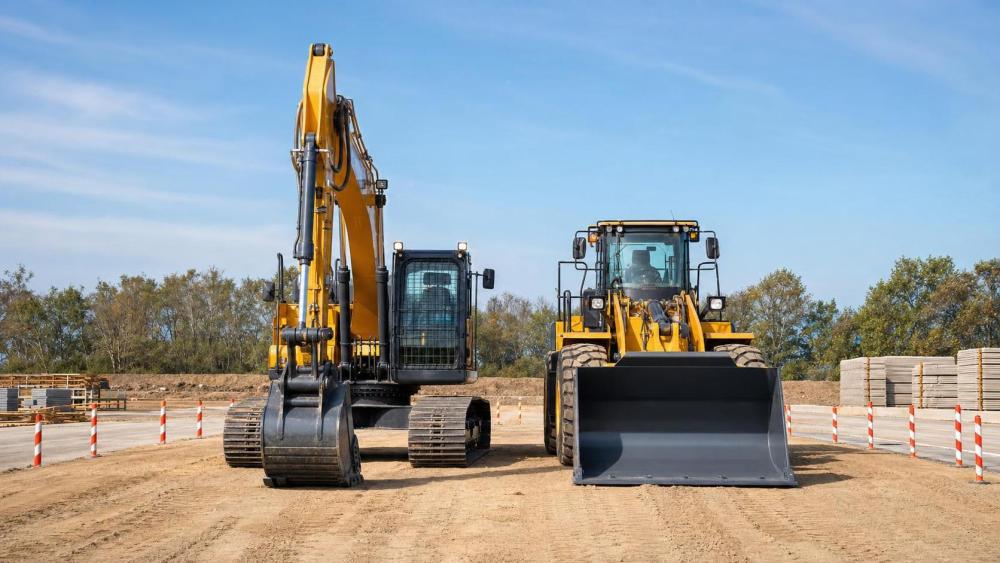
Earthmoving equipment standards shape safety long before production begins. They influence inspection routines, machine selection, operator visibility, braking performance, and even how a site is prepared for daily startup.
That is why earthmoving equipment standards are not just paperwork. On active projects, they become practical rules for excavators, wheel loaders, bulldozers, graders, and skid steer loaders working under tight schedules.
A machine can be powerful and still be unready. If guarding is incomplete, alarms fail, access steps are slippery, or maintenance records are weak, readiness drops fast and risk rises with it.
In heavy civil work, mining, airport grading, and urban utility projects, the same pattern appears. Strong standards support predictable uptime, better hazard control, and fewer rushed decisions under pressure.
This is also where EMD’s industry focus becomes useful. Its coverage of crawler excavators, loaders, graders, bulldozers, and compact machines reflects how standards now connect mechanical reliability, digital control, emissions, and autonomy.
Which standards usually affect safety and site readiness most?
People often search for one master rule, but earthmoving equipment standards come as a framework. Some are machine-specific, while others govern operation, maintenance, and environmental fit.
The most influential categories usually include:
- Protective structure standards for rollover and falling-object protection.
- Visibility and warning requirements covering mirrors, cameras, lights, and travel alarms.
- Brake, steering, and control-system standards tied to predictable machine response.
- Access and egress requirements for ladders, steps, platforms, and handholds.
- Maintenance and inspection criteria covering hydraulic leaks, wear points, and lockout conditions.
- Emissions and electronic control expectations, especially for newer fleets.
International references often come from ISO frameworks, while local obligations may come from OSHA, CE requirements, or regional transport and off-road emissions rules. The exact mix depends on where the machine works.
In practice, a grader on an airport project and a skid steer in a dense city site may face very different readiness checks. The standards are related, but the risk profile is not the same.
A quick way to read the standard landscape
The table below helps sort what usually matters first when reviewing earthmoving equipment standards on mixed fleets.
How do these rules change daily inspections and maintenance decisions?
This is where standards move from policy into routine. Daily checks become sharper because earthmoving equipment standards define what counts as acceptable condition, not just visible damage.
For example, a minor hydraulic seep may seem manageable. Yet on a crawler excavator, it can quickly affect attachment control, contamination risk, and fire exposure around hot components.
The same logic applies to worn steps, loose seat belts, damaged glass, or a disabled camera. Each item seems small alone. Together, they tell you whether the machine is genuinely site-ready.
A useful inspection approach is to separate findings into three groups:
- Immediate stop items, such as brake defects, structural cracks, or failed warning systems.
- Short-interval repair items, such as fluid seepage, loose guarding, or poor step traction.
- Trend items, such as recurring sensor faults, uneven tire wear, or repeated overheating alarms.
In actual operations, trend items are often underestimated. EMD’s reporting on electro-hydraulic controls and remote system latency highlights a broader shift: diagnostics quality is becoming part of safety quality.
That matters for readiness. A bulldozer with intermittent software faults may still start, but unstable control logic can make it unreliable under grade, slope, or push-load conditions.
Are the same earthmoving equipment standards applied equally across all machine types?
Not really. The principles are shared, but the operational emphasis changes by machine type and work environment. That is why copying one checklist across the fleet usually creates blind spots.
Excavators need close attention to swing radius control, boom integrity, hose routing, and attachment security. Wheel loaders place more focus on travel visibility, braking confidence, and bucket linkage wear.
Motor graders add another layer. Their value depends on control precision, blade response, and stable sensor inputs. On high-spec road or airfield work, calibration issues can become quality issues very quickly.
Bulldozers operate under harsh tractive loads, so undercarriage condition, slope stability, and heat management matter more than many teams expect. Skid steer loaders need tighter review of attachment locking and restricted-space visibility.
This is also why newer earthmoving equipment standards increasingly overlap with automation readiness. A machine with 3D grading, telematics, or remote-control capability has more points of failure to verify.
More common than people admit is this mistake: treating advanced technology as a productivity feature only. In reality, software integrity, sensor cleanliness, and communication stability now affect safe operation directly.
Where do teams misread compliance, and what risks follow?
One common misunderstanding is assuming certification at purchase solves everything. It does not. Earthmoving equipment standards still depend on maintenance quality, field modifications, and how machines are deployed on real terrain.
Another mistake is separating safety from production readiness. A machine that barely meets minimum condition can still create delays through nuisance shutdowns, unstable cycle times, or repeated spot repairs.
The following warning signs usually show compliance is being read too narrowly:
- Checklists are completed, but defect closure is not tracked.
- Replacement parts restore function, but not original protective performance.
- Attachments are swapped frequently without updated compatibility checks.
- Emission faults are ignored because they seem unrelated to safety.
- Site conditions change, yet traffic plans and exclusion zones remain static.
Need-to-know risk sits in the gap between machine compliance and site reality. A fully compliant loader can still be unsafe on poor haul roads, weak lighting plans, or congested pedestrian interfaces.
That is why the best reading of earthmoving equipment standards is operational, not ceremonial. The standard sets the floor. Site controls decide whether the floor is enough.
What should be checked when comparing equipment for a new project or fleet update?
When equipment is being selected, the safer question is not only “Does it comply?” A better question is “Does it stay compliant under this project’s terrain, duty cycle, climate, and digital control demands?”
That shift changes the review process. Instead of comparing brochures, teams compare evidence of field durability, diagnostics support, guarding quality, and the ease of verifying critical safety functions.
A practical comparison list should include:
- Documented alignment with relevant earthmoving equipment standards in the target market.
- Cab protection, visibility package, alarm quality, and lighting layout.
- Service access design and realistic maintenance intervals under heavy use.
- Telematics reliability, software support, and fault-code response speed.
- Attachment compatibility, especially for compact and multi-role machines.
- Emissions fit for project jurisdiction and low-idle site rules.
This is where strategic intelligence helps more than raw specifications. EMD’s attention to decarbonization, autonomy, and equipment evolution reflects what many projects now face: compliance is moving closer to systems thinking.
A machine may pass a current requirement today, yet be difficult to support once software, emissions controls, or remote operations become standard on future jobs.
What is the smartest next step if standards feel fragmented or hard to apply?
Start by mapping equipment risk, not by collecting more paperwork. List the machines in use, the tasks they perform, the hazards they create, and the standards that actually govern those conditions.
Then connect that map to inspection frequency, maintenance triggers, and replacement decisions. This turns earthmoving equipment standards into a working control system instead of a shelf document.
For many fleets, the most productive next moves are simple:
- Review machine-specific checklists by equipment category.
- Flag defects that affect both safety and production continuity.
- Confirm that repairs preserve certified protection and control logic.
- Recheck site readiness when terrain, traffic flow, or weather changes.
- Track regulatory and technology updates that may change future fit.
The bigger point is clear. Earthmoving equipment standards are not separate from uptime, reliability, and project control. They are part of how safe work is made repeatable.
When standards are read through real machine behavior, site conditions, and evolving technology, decisions get sharper. That is the right basis for safer starts, fewer disruptions, and more dependable earthmoving performance.