
Related News
- 00
0000-00
How to size heavy-duty loaders for North American mining operations - 00
0000-00
How altitude affects mining excavator performance in Latin America - 00
0000-00
Caterpillar Launches New Cat 6060 and Upgraded Autonomous Mining System - 00
0000-00
When does eco-friendly construction equipment pay for itself? - 00
0000-00
Will a wheel loader quick coupler fit your existing attachments?
How to Use a Construction Machinery Guide to Compare Equipment
Choosing the right machine is not just about specs. It is about matching performance, cost, and jobsite demands with confidence.
A strong construction machinery guide helps turn scattered data into better decisions. That matters more when budgets are tight and project schedules are not flexible.
At the same time, machine categories keep evolving. Hydraulic efficiency, operator assistance, telematics, and emissions compliance now affect total value in real ways.
For buyers comparing excavators, wheel loaders, motor graders, bulldozers, and skid steer loaders, the challenge is rarely a lack of options.
The real challenge is knowing which differences matter. A practical construction machinery guide makes those differences visible before purchase risk becomes operating cost.
Start with the Job, Not the Brochure
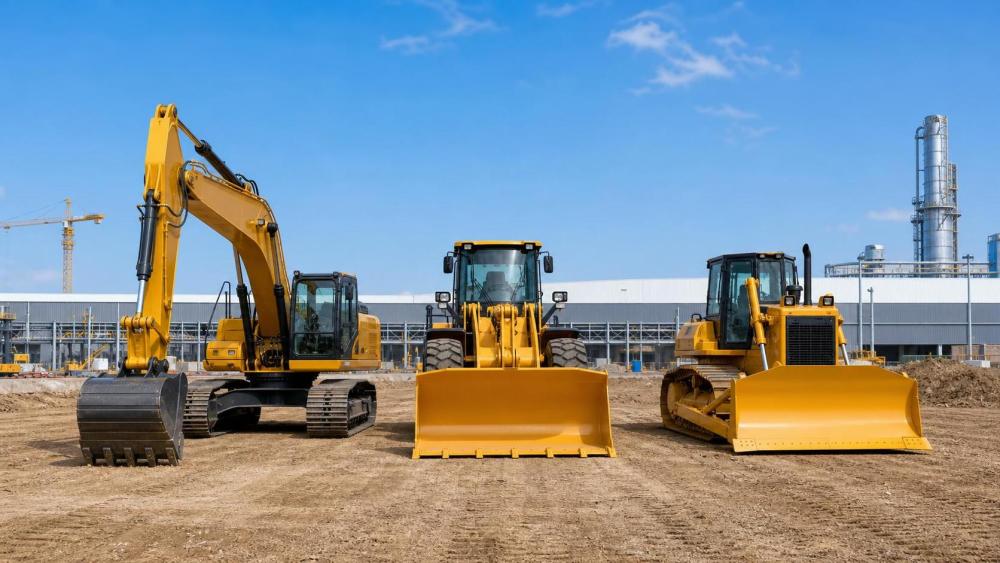
The best construction machinery guide begins with application fit. A machine that looks impressive on paper may still perform poorly on the wrong site.
Start by defining the core task. Is the machine digging, loading, grading, pushing, or handling several duties in a restricted area?
Then map the work environment. Ground condition, haul distance, climate, operator skill, and fuel access all change what “best value” really means.
In practice, buyers often overfocus on engine power. More useful indicators include breakout force, cycle time, blade accuracy, lift capacity, and attachment compatibility.
A construction machinery guide should also separate primary needs from secondary needs. That helps avoid paying for features that will rarely be used.
- Excavators suit trenching, foundation work, demolition, and deep material handling.
- Wheel loaders work best where fast loading and transport flow drive site productivity.
- Motor graders are critical when surface tolerance directly affects downstream quality.
- Bulldozers make sense where traction and pushing force decide production output.
- Skid steers win in urban zones, compact sites, and multi-attachment operations.
This first filter saves time. It also makes the rest of the construction machinery guide far more actionable.
Compare the Metrics That Actually Affect Cost
Once the machine type is clear, comparison should move beyond headline specifications. A procurement-focused construction machinery guide must connect performance to cost per hour and cost per ton.
Fuel use is one example. A lower purchase price can disappear quickly if hydraulic losses or idle consumption remain high across long operating cycles.
Maintenance design matters too. Service access, filter placement, hose routing, and wear part intervals shape downtime more than many buyers expect.
A useful construction machinery guide should compare at least the following categories before any shortlist is finalized.
When using a construction machinery guide, these metrics create a common language for comparing brands, sizes, and machine platforms.
Evaluate Each Machine Category with the Right Lens
Different machines create value in different ways. That is why a good construction machinery guide does not use one checklist for every equipment class.
Excavators
Focus on digging force, swing speed, fuel efficiency, and attachment flexibility. In dense infrastructure work, control precision can be more valuable than raw size.
Wheel Loaders
Check bucket capacity, lift cycle consistency, transmission response, and tire wear profile. In quarry and loading applications, seconds per cycle quickly compound into major cost differences.
Motor Graders
Prioritize blade control, frame balance, and GPS or laser integration. Surface precision affects rework rates, material waste, and final project acceptance.
Bulldozers
Look at drawbar pull, undercarriage durability, slope stability, and operator visibility. For heavy pushing, traction quality often matters more than headline horsepower.
Skid Steer Loaders
Review hydraulic flow, attachment ecosystem, turning control, and maintenance accessibility. Their value rises sharply when one machine replaces several smaller tools.
This category-based approach makes a construction machinery guide far more realistic. It reflects how equipment performs in the field, not just in catalogs.
Look Beyond Purchase Price to Lifecycle Value
One of the most expensive mistakes in equipment buying is choosing by upfront price alone. A serious construction machinery guide always shifts attention to total cost of ownership.
That includes financing, fuel, planned maintenance, unplanned repairs, resale value, and the cost of lost production during downtime.
From recent market changes, a stronger signal is the growing value of fleet data. Machines with better telematics often help reduce idle hours and service surprises.
This also means support quality is now part of asset value. A lower-cost unit with weak parts availability can become the most expensive option on the site.
- Estimate hourly cost across expected annual utilization.
- Model parts lead time for critical wear components.
- Check resale trends for the same tonnage class.
- Review warranty coverage against actual duty cycle.
- Measure dealer response speed, not just dealer presence.
A construction machinery guide becomes much more powerful when it helps compare lifecycle value instead of just invoice totals.
Factor in Decarbonization, Automation, and Compliance
Equipment decisions now sit inside a larger transition. Emissions rules, fuel strategy, and automation readiness already influence fleet planning in many markets.
For that reason, a modern construction machinery guide should examine whether a machine fits tomorrow’s operating environment, not just today’s tender requirements.
Electrification may not suit every heavy-duty application yet. Still, lower-emission platforms, improved hydrostatic efficiency, and smarter idle management already create measurable savings.
Automation features also deserve careful review. Grade control, remote diagnostics, and operator assist systems can raise consistency, especially where skilled labor is limited.
EMD tracks these shifts closely across crawler excavators, loaders, graders, bulldozers, and skid steers. The goal is not technology for its own sake.
The goal is stronger asset utilization, lower operating friction, and better positioning for future project standards.
Build a Simple Comparison Framework Before You Buy
A construction machinery guide works best when it leads to a repeatable buying process. Without a framework, comparisons become emotional, inconsistent, and slow.
A practical review flow can stay simple while still improving decision quality.
- Define the job profile, utilization target, and site limits.
- Shortlist machine types that fit the operating reality.
- Compare productivity, hydraulics, serviceability, and support.
- Calculate lifecycle cost under real workload assumptions.
- Review technology, emissions, and future fleet compatibility.
- Run a field demonstration before final commitment.
That final step matters a lot. A field demo often reveals visibility limits, control smoothness, and operator fatigue issues that no brochure can show.
In real buying decisions, the best construction machinery guide is the one that connects numbers, site conditions, and future fleet strategy in one place.
Make Better Equipment Decisions with a Smarter Construction Machinery Guide
The market is moving toward higher precision, tighter cost control, and more intelligent machines. That makes structured comparison more important than ever.
A reliable construction machinery guide should help you compare equipment by task fit, hydraulic performance, lifecycle cost, support strength, and future readiness.
When those factors are reviewed together, purchase decisions become clearer and far less reactive. You reduce risk before the machine ever reaches the site.
Use this approach as a working framework. Refine it with project data, supplier feedback, and field testing.
That is how a construction machinery guide moves from reference material to a real competitive advantage in equipment procurement.