
Related News
- 00
0000-00
How a supplier solution database reduces sourcing risk - 00
0000-00
How market insight content shapes equipment demand forecasts - 00
0000-00
When does stainless steel bulk material transfer equipment prevent contamination? - 00
0000-00
How an earthmoving equipment portal helps vet factory capabilities - 00
0000-00
How to assess equipment specifications against applicable standards
How to Compare Heavy Construction Equipment Lifecycle Costs
For procurement teams, comparing heavy construction equipment lifecycle costs goes far beyond the sticker price.
Fuel efficiency, maintenance intervals, downtime risk, resale value, and emissions compliance all shape true long-term ROI.
This guide shows how to compare heavy construction equipment with a practical, data-driven approach.
The goal is simple: make every buying decision support productivity, cost control, and stronger fleet performance.
Start With Total Lifecycle Cost, Not Purchase Price
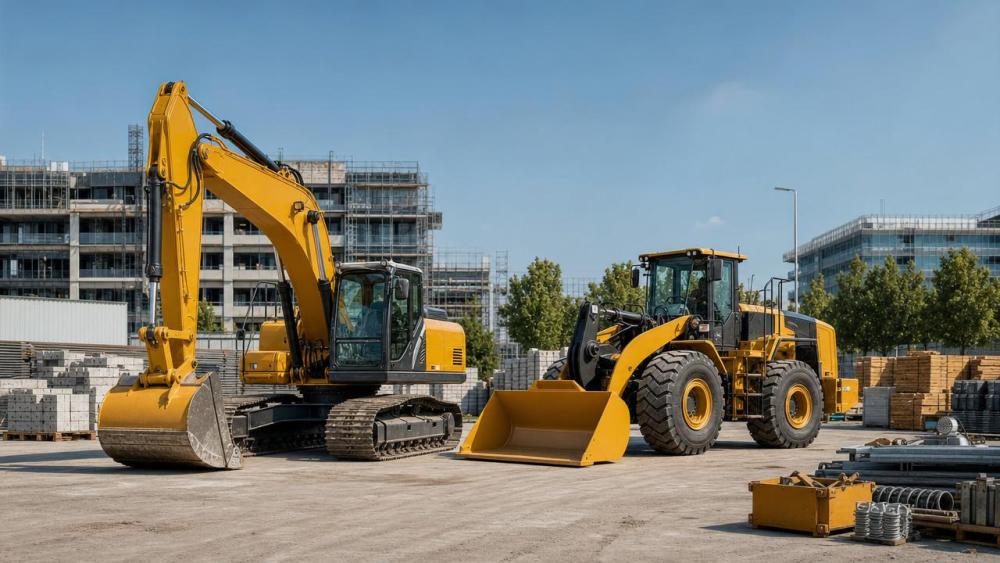
A low upfront quote can hide a high ownership burden.
That is why heavy construction equipment should be compared across its full working life.
In practical terms, lifecycle cost includes acquisition, operation, maintenance, repair, compliance, financing, and disposal or resale.
This is especially important for crawler excavators, wheel loaders, bulldozers, motor graders, and skid steer loaders.
These machines often run in harsh conditions, with high fuel burn and expensive downtime exposure.
A realistic comparison should cover at least five to ten years, depending on fleet policy and expected utilization.
From a procurement perspective, that longer view reveals which asset truly protects margins.
Core lifecycle cost categories
- Purchase price, taxes, freight, and commissioning.
- Fuel, lubricants, tires or undercarriage wear, and operator training.
- Planned maintenance, parts replacement, and service labor.
- Unplanned repair events and downtime losses.
- Emissions compliance, software updates, and telematics support.
- Residual value, trade-in value, or end-of-life disposal.
Build a Like-for-Like Comparison Framework
Comparing heavy construction equipment gets messy when inputs are inconsistent.
One supplier may quote a basic package, while another includes extended warranty, telematics, and attachment support.
So the first job is to normalize the data.
Use the same ownership horizon, annual operating hours, fuel price, operator cost assumptions, and jobsite conditions.
Also compare machines by real application fit, not by brochure headline numbers.
For example, a larger excavator may finish cycles faster, but idle more on smaller jobs.
That changes the true lifecycle economics.
Questions that make comparisons cleaner
- How many hours will the machine run each year?
- What attachment mix will affect fuel use and hydraulic load?
- What is the expected terrain, climate, and material density?
- Will service be done in-house or through the dealer network?
- What is the planned replacement cycle?
Focus on the Cost Drivers That Change ROI Fast
Not every line item matters equally.
In heavy construction equipment, a few variables usually drive most of the ownership gap.
Fuel is often the first major lever.
Even a modest reduction in liters per hour can create large savings over thousands of operating hours.
Maintenance is the next big factor.
Longer service intervals sound attractive, but only if parts availability and technician response stay reliable.
Then comes downtime, which is often underestimated during buying decisions.
A machine that stops work during a critical schedule window can cost more than the repair itself.
The highest-impact lifecycle cost drivers
- Fuel efficiency under actual load, not ideal test conditions.
- Wear rates for undercarriage, bucket edges, tires, and cutting components.
- Dealer service coverage and parts lead times.
- Machine uptime, fault frequency, and remote diagnostics capability.
- Software and emissions system complexity.
- Residual value after the planned holding period.
Use a Practical Scoring Model for Procurement Decisions
A strong heavy construction equipment review needs both numbers and judgment.
One useful method is a weighted scorecard tied to lifecycle cost and operating risk.
This keeps the decision from being dominated by initial price alone.
It also helps compare premium brands, regional suppliers, and lower-cost alternatives on common ground.
In actual buying cycles, this approach makes internal approval easier because the reasoning is visible.
Suggested scoring categories
Look Beyond Specs to Support, Data, and Compliance
This is where many heavy construction equipment comparisons become more realistic.
Two machines with similar horsepower and payload can perform very differently as business assets.
The difference often comes from the support ecosystem around the machine.
Telematics can improve maintenance planning, fuel monitoring, operator behavior, and fault detection.
That creates measurable cost control over time.
Compliance matters too.
Stricter emissions standards, safety rules, and digital reporting requirements can raise future ownership costs.
A machine that looks cheaper today may need costly upgrades or face restricted use later.
That is especially relevant as decarbonization and autonomy move from trend to procurement reality.
Support and compliance checkpoints
- Dealer coverage near operating regions.
- Spare parts fill rate and average delivery time.
- Telematics access, API compatibility, and reporting depth.
- Warranty terms for powertrain, hydraulics, and emissions systems.
- Regulatory fit for target markets over the next replacement cycle.
Compare Suppliers Using Real-World Evidence
Supplier claims are useful, but field evidence matters more.
Ask for fleet references in similar duty cycles, similar climate, and similar maintenance environments.
Request actual fuel burn reports, service histories, and uptime records where possible.
Short demonstrations are helpful, but they rarely reveal long-term repair behavior.
A better signal is how the machine performs after thousands of hours.
Recent market shifts also matter.
Higher demand for efficient, lower-emission heavy construction equipment is affecting pricing, lead times, and resale patterns.
That means timing can change lifecycle value almost as much as model selection.
Useful evidence to request before award
- Five-year cost-of-ownership estimate with assumptions shown.
- Documented service interval schedule and common repair items.
- Reference accounts using the same machine class.
- Residual value guidance from recent secondary market transactions.
- Planned software, emissions, and support updates.
Turn Lifecycle Analysis Into a Better Buying Decision
The best heavy construction equipment choice is not always the cheapest to buy.
It is the machine that delivers the strongest balance of uptime, efficiency, serviceability, and exit value.
That balance should be measured against actual operating conditions, not generic catalog promises.
For organizations tracking fleet modernization, the signal is clear.
Lifecycle cost analysis now sits at the center of smart equipment procurement.
A disciplined framework helps reduce surprises, support internal alignment, and improve long-term asset performance.
When comparing heavy construction equipment, start with total cost, test assumptions hard, and let field evidence guide the final call.
That approach leads to better ROI today and a more resilient fleet tomorrow.