
Related News
- 00
0000-00
How much does a 3D grader guidance system cost fully installed? - 00
0000-00
How to verify capacity before sourcing equipment from manufacturers - 00
0000-00
When to choose LGP dozers for infrastructure site preparation - 00
0000-00
How to size heavy-duty loaders for North American mining operations - 00
0000-00
How altitude affects mining excavator performance in Latin America
Tags
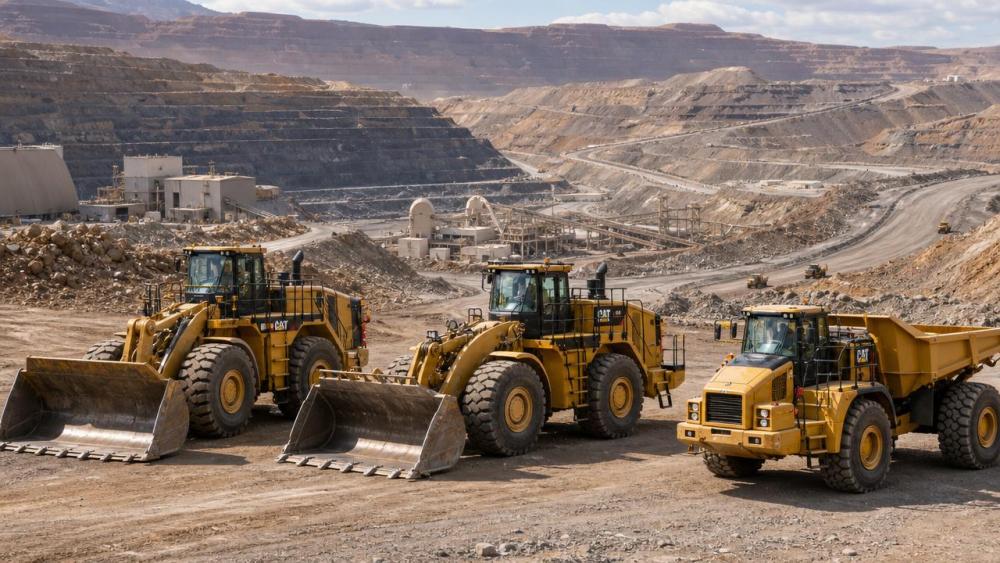
On June 4, 2026, Chile’s CODELCO released a global tender covering heavy mining equipment procurement for 2026–2028, with planned purchases of more than 120 large-scale loading units centered on Large Mining Loaders and Articulated Loaders. For equipment manufacturers, component suppliers, local service networks, and bidding teams, this is worth close attention because the notice does not only point to volume demand, but also highlights qualification and support conditions such as ISO 14001 certification and localized spare-parts capability.
What the tender notice confirms
According to the information provided, CODELCO issued its “2026–2028 Global Tender Notice for Heavy Mining Equipment” on June 4, 2026. The procurement plan covers more than 120 large mining loading machines. The categories specifically emphasized are Large Mining Loaders with a rated payload of at least 50 tons and Articulated Loaders designed for all-terrain operations.
The tender also sets two clearly stated requirements: bidders must meet ISO 14001 environmental management system certification standards, and they must have localized spare-parts support capability. The bid submission deadline is August 15, 2026.
Why different parts of the supply chain are watching this
Equipment makers will focus on fit between product line and tender scope
From an industry perspective, manufacturers of large mining loading equipment are the most directly affected group because the notice identifies specific equipment categories rather than a broad machinery basket. The immediate business impact is likely to fall on product matching, bid preparation, compliance documentation, and delivery planning. What deserves closer attention is whether suppliers can present both technical alignment and the operational support structure implied by the tender requirements.
Parts and after-sales service providers face higher relevance
Analysis shows that localized spare-parts support is not a peripheral clause in this case. It may affect how service providers, parts distributors, and maintenance partners position themselves in bidding cooperation. The main impact is likely to appear in inventory planning, service response arrangements, and partner coordination. Companies involved in support services should pay attention to how localized capability is evidenced and communicated during the tender process.
Procurement and bid management teams will need to balance speed and completeness
For trading firms, export-oriented suppliers, and internal bid teams, the deadline of August 15, 2026 creates a defined response window. The likely pressure points are document readiness, certification review, partner alignment, and clarification of service commitments. In practice, this means the tender may influence not only front-end sales activity but also back-end coordination across compliance, supply, and support functions.
What companies should watch in the coming weeks
Certification readiness should be checked early
Because ISO 14001 is explicitly stated in the tender requirements, suppliers and bidding partners should first verify whether their certification status and supporting documents are current, consistent, and usable for formal submission. This is a practical issue rather than a branding matter.
Localized spare-parts capability needs concrete presentation
The requirement for localized spare-parts support suggests that bidders may need to show more than general after-sales intent. Companies should pay close attention to how they describe service coverage, parts availability, and support arrangements in a way that matches the tender language provided.
Product focus should remain narrow and accurate
The notice specifically highlights Large Mining Loaders and Articulated Loaders. For suppliers, this means bid messaging should stay tightly linked to the named categories instead of expanding into unrelated machinery segments. Clear alignment with the defined equipment scope is likely to matter more than broad portfolio presentation.
Official wording and any follow-up clarifications remain important
Observably, one of the key near-term tasks for market participants is to track whether any additional official explanations, procedural notes, or requirement clarifications emerge before the submission deadline. That distinction matters because headline demand and actual bid compliance are not always the same thing in procurement practice.
How this news is best interpreted at this stage
Analysis shows that this development should not yet be read as a completed purchasing outcome. It is more appropriate to understand it as a formal demand signal entering an active procurement stage. The signal is meaningful because it combines three elements in one notice: identifiable equipment categories, a procurement scale of more than 120 units, and stated compliance and support expectations.
At the same time, the market should avoid overstating certainty. The current information confirms the tender launch and the conditions named in the notice, but it does not by itself confirm award results, supplier selection, or final delivery structure. That is why the event is important both as a short-term bidding opportunity and as a development that still requires continued observation.
What the announcement means for the market now
At this point, the CODELCO tender is best viewed as a concrete procurement event with broader signaling value for the heavy mining equipment segment. It points attention toward large-capacity loader demand, environmental management compliance, and local support capability as practical decision factors. For companies active in mining equipment, parts, and related services, the most rational approach is to treat this as a live commercial and operational development rather than as a finalized market outcome.
Basis of this article and what still needs verification
This article is based on the user-provided news title, event date, and event summary. The confirmed facts used here come from the stated information that CODELCO launched a 2026–2028 global tender for heavy mining equipment on June 4, 2026, covering more than 120 large mining loading units, with emphasis on Large Mining Loaders and Articulated Loaders, alongside ISO 14001 and localized spare-parts support requirements, with an August 15, 2026 bid deadline.
For this type of industry update, commonly relevant source categories may include official tender notices, corporate announcements, industry association information, authoritative media coverage, and standard-related documentation. A specific official source link was not provided in the input, so further verification remains necessary. Follow-up attention should be placed on any official clarification, amendment, or later disclosure related to bidding requirements and tender progress.