
Related News
- 00
0000-00
How to size heavy-duty loaders for North American mining operations - 00
0000-00
How altitude affects mining excavator performance in Latin America - 00
0000-00
Caterpillar Launches New Cat 6060 and Upgraded Autonomous Mining System - 00
0000-00
When does eco-friendly construction equipment pay for itself? - 00
0000-00
Will a wheel loader quick coupler fit your existing attachments?
Construction Machinery Costs: Buy, Rent, or Lease in 2026?
In 2026, construction machinery decisions will face tighter budgets, faster technology shifts, and growing pressure to improve asset utilization.
For financial review teams, the real question is not sticker price alone.
It is about total cost, uptime, flexibility, risk, and how quickly equipment can earn back capital.
That is especially true for construction machinery with high transport, maintenance, and depreciation pressure.
Whether the asset is a crawler excavator, wheel loader, bulldozer, motor grader, or skid steer, the math has changed.
More projects are shorter, more specialized, and more exposed to financing costs.
At the same time, machine technology is moving toward telematics, automation, emissions compliance, and lower fuel burn.
This guide compares buying, renting, and leasing, so construction machinery investments align with cash flow and project reality.
Why Construction Machinery Cost Planning Looks Different in 2026
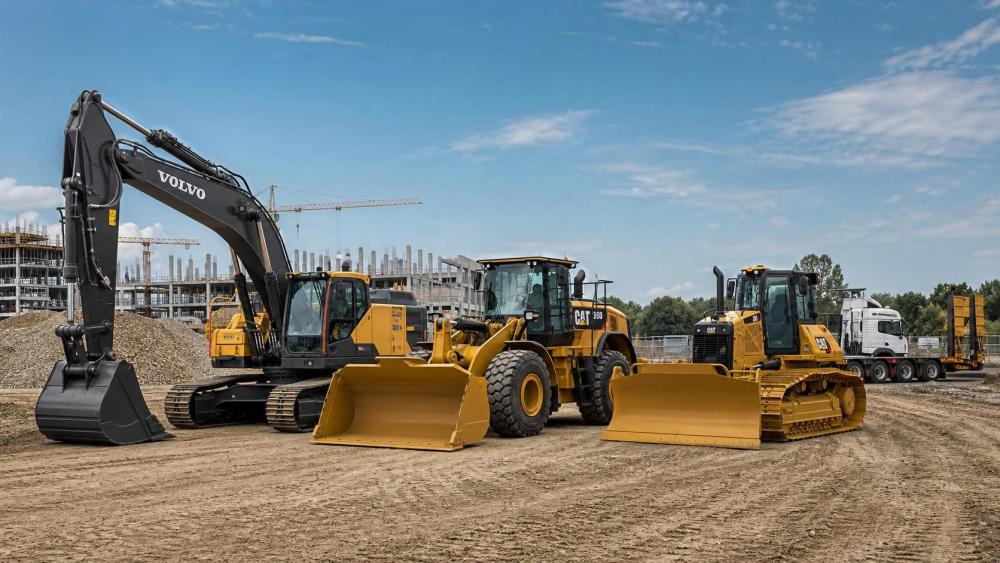
From recent market shifts, one signal is clear.
Construction machinery costs now include more than acquisition and fuel.
Software subscriptions, operator assistance systems, remote diagnostics, and compliance upgrades are entering the budget.
Interest rates also matter more, because idle owned machines now carry a heavier opportunity cost.
A machine with low annual utilization can quietly become one of the most expensive line items in a fleet plan.
This also means procurement choices should be tied to project visibility.
If demand is stable for years, ownership may still win.
If demand is uncertain, flexibility may be worth more than nominal savings.
Buy Construction Machinery When Utilization Is Predictable
Buying construction machinery makes sense when workloads are heavy, recurring, and easy to forecast.
Owned assets usually deliver the lowest hourly cost after enough productive hours.
That is often true for core machines used daily across multiple sites.
Examples include crawler excavators for trenching, wheel loaders for material handling, and bulldozers for sustained site preparation.
Ownership also gives stronger control over maintenance schedules, operator familiarity, and attachment compatibility.
For long-cycle contracts, that control can reduce downtime and scheduling friction.
Still, buying construction machinery carries five common cost traps.
- High upfront cash use or larger debt exposure.
- Depreciation risk if resale values weaken.
- Idle time during seasonal or delayed projects.
- Higher responsibility for repairs, transport, and storage.
- Technology obsolescence in telematics and emissions systems.
In practical terms, ownership works best when annual utilization is consistently strong.
It also works when the business can support preventive maintenance without disrupting project delivery.
If either condition is weak, the apparent savings can disappear quickly.
Rent Construction Machinery When Demand Changes Fast
Renting construction machinery is often the safest response to uncertain workloads.
It preserves cash, limits long-term risk, and makes it easier to match equipment to each project phase.
That flexibility matters when job starts move, scope changes, or a site needs specialized equipment for only a few weeks.
Rental is especially useful for motor graders, compact equipment, and machines needed for occasional peak capacity.
It also helps when testing a new equipment class before making a long-term commitment.
Another advantage is access to newer construction machinery without carrying residual value risk.
That matters more as autonomous features and fuel-efficiency gains improve machine economics.
The downside is simple.
Daily or weekly rates can become expensive if the rental stretches too long.
Availability can also tighten during regional infrastructure surges or weather-driven recovery work.
Before choosing rental, check these decision points:
- Expected machine hours by month.
- Rental rate compared with owned hourly cost.
- Lead time during peak season.
- Damage clauses, delivery fees, and fuel terms.
- Operator learning time on replacement units.
Lease Construction Machinery for Balance Sheet Flexibility
Leasing sits between ownership and rental, and in 2026 it deserves more attention.
It can reduce upfront cash pressure while still securing long-term machine access.
For many fleets, lease structures fit machines that are important, but not ideal for full cash purchase.
This is common with higher-value excavators, loaders, and dozers that must stay available for core operations.
Leasing construction machinery can also make upgrades easier at the end of a term.
That reduces the risk of being locked into older technology as machine intelligence improves.
However, lease terms vary widely, so the real cost must be unpacked carefully.
- Check total payments over the full term.
- Review buyout conditions and residual assumptions.
- Confirm maintenance responsibilities in writing.
- Watch hour caps and excess-use penalties.
- Model early termination risk.
A lease looks attractive when cash preservation matters, but machine demand is still durable.
It is usually less flexible than rental, but more conservative than direct purchase.
How to Compare Total Cost Across Buy, Rent, and Lease
A solid construction machinery decision starts with a simple rule.
Compare options on cost per productive hour, not on invoice price alone.
That creates a cleaner view across equipment types and contract structures.
In actual business reviews, add the following inputs to the model:
- Planned utilization by quarter.
- Fuel consumption and idle-time behavior.
- Service intervals and unplanned repair history.
- Operator productivity differences by machine age.
- Transport, insurance, and storage costs.
- Estimated resale or end-of-term value.
This framework turns construction machinery decisions from opinion into a measurable investment case.
Best Option by Equipment Type and Project Profile
Not every construction machinery category should be financed the same way.
A more useful approach is to match the financing model to duty cycle and specialization.
Crawler Excavators
Buy or lease for steady civil work and utility programs.
Rent for short demolition phases or specialty attachment needs.
Wheel Loaders
Buy when material handling is continuous and site utilization stays high.
Lease if cash discipline is tighter but long-term demand remains visible.
Motor Graders
Rent more often, unless grading work is a year-round core service.
These machines are precise, valuable, and often underused in mixed fleets.
Bulldozers
Buy for mining support, heavy site development, and repeated pushing work.
Rent for one-off clearing or unusual ground conditions.
Skid Steer Loaders
Buy when used daily across landscaping, utility, and urban jobs.
Rent when attachments vary widely and machine use remains occasional.
A Practical Approval Checklist for 2026
Before approving any construction machinery plan, pause and test the numbers against field reality.
- Confirm utilization assumptions with operations, not only sales forecasts.
- Stress-test project delays, lower resale values, and repair spikes.
- Compare ownership, rental, and lease on a 12, 24, and 36-month basis.
- Include downtime cost, because availability often matters more than nominal rate.
- Check whether newer construction machinery can cut fuel or labor enough to change the result.
- Review supplier support quality, parts access, and service response time.
The best decision is usually the one that protects utilization and keeps options open.
In 2026, construction machinery strategy is no longer only a procurement issue.
It is a capital allocation decision tied directly to project resilience and operating margin.
Buy when workloads are stable and utilization is proven.
Rent when timing is uncertain and flexibility has clear value.
Lease when long-term access matters, but cash preservation still leads the conversation.
If the next equipment review starts with hourly economics and utilization discipline, better decisions usually follow.
That is the most reliable way to control construction machinery costs without slowing growth.